Remember the palace?
Marvelous meditations on medieval & modern memory...
When I was a child, I had an unusual relationship with memorization. My father was an avid and expansive reader of poetry, and from a young age, he would give me works to learn by heart. This cultivation came in handy in middle school, when I was asked to recite poetry for an annual contest, and later, when classes like physics demanded that I regurgitate long strings of formulas and facts onto paper for each assessment. One tactic that he taught me, although I admittedly didn’t appreciate its value until later, was the memory palace approach.
The memory palace is an approach to memorization that uses an imagined location to physically situate each portion of the passage that you must memorize. Similar to an extended mnemonic device, it was commonly used before the advent of printing and dates back to Ancient times. The Rhetorica ad Herennium, the first known manual for memorization, was written in the 80s BCE by an unknown author. This work includes the “method of loci”, another name for the memory palace. Alternatively, Cicero’s De Oratore attributes the “method of loci” to the Greek poet Simonides of Ceos with a rather gruesome myth: the poet attended a dinner party, and the roof collapsed shortly after he left. He was then able to identify each body only by mentally reconstructing where each person was sitting in the room. Although this is likely a retroactively engineered tale, it certainly is memorable (!) and proves one case for the importance of a strong memory.
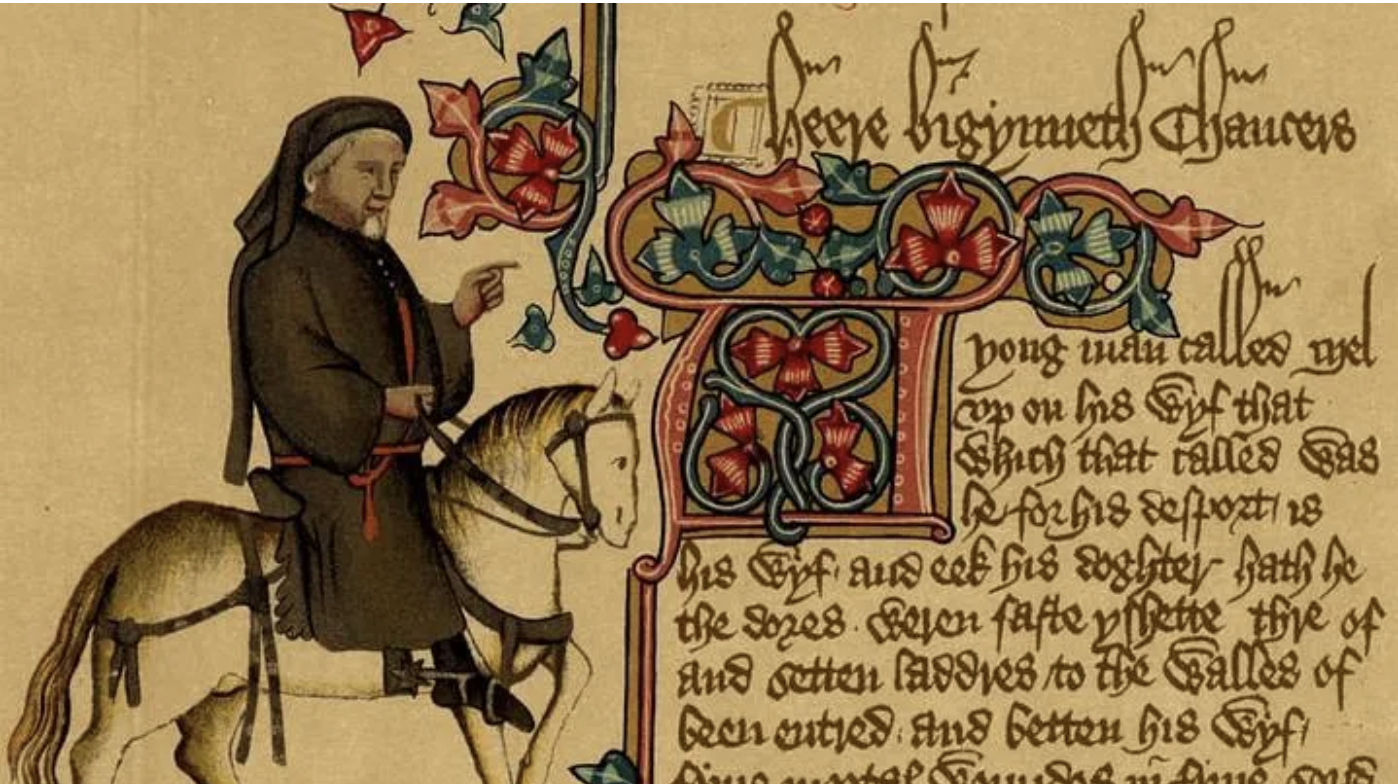
The Canterbury Tales (Credit: Photos.com/iStock via Getty Images)
To build a memory palace, you first choose a physical place, often a real and familiar one such as your home or a walk that you know well, and divide it into spaces like rooms. Each room holds a part of the text that you’re trying to memorize. You can further attach keywords to particular objects in the rooms; extremely vivid sensory connection is key to this approach. For example, to build a memory palace for The Canterbury Tales, one of the most common recitation assignments, I might visualize the entrance to my house; in my mind I would tie the first line, “Whan that Aprill with his shoures soote”, to the doorknob, then the following line might be inscribed on the welcome mat at my feet when I open the door, and so on.
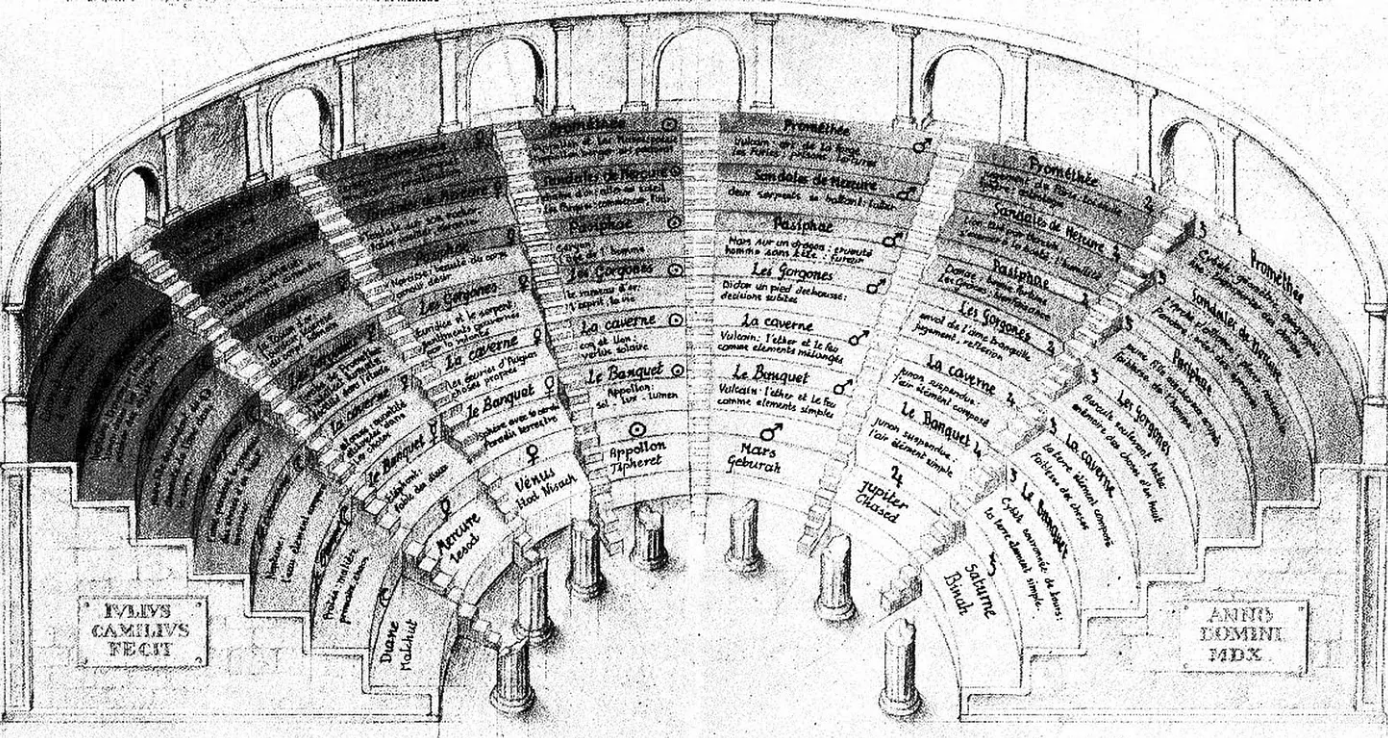
Giulio Camillo’s “L’idea del theatro”
The technique was originally used to memorize long orations, stories, or even large amounts of information by performers and messengers. Later, in the Renaissance, the technique expanded to become more spiritual than purely practical. The same concept of a memory palace became a system for reaching an inner celestial consciousness. In the sixteenth century, Giulio Camillo was inspired by the historical practice of memory palaces and combined those principles with Hermetic philosophy. He wrote, “Now if the ancient orators, wishing to place from day to day the parts of the speeches which they had to recite, confided them to frail places as frail things, it is right that we, wishing to store up eternally the eternal nature of all things … should assign them to eternal places”. He proposed the building of a theater that would be inspired by the house of Solomon, with each of its pillars representing one of the seven planets. The gateways would be decorated with images representing memories, and would contain drawers that held all of human knowledge. An observer would be able to see and understand the entire contents of a divine mind from standing on the stage.
Some memorizers would employ extremely bizarre and lewd imagery in their palaces, perhaps a surefire way to ensure that the images were burned into their minds forever. Later, puritans who hoped to memorize scripture rejected this method as a reliance on impure thoughts that should not be associated with divine word. Consequently, the method slowly declined in use and popularity in the modern era.
However, there are strong biological incentives to encourage the revival of the technique. The human mind is incredibly adept at creating mental maps. Upon walking through a strange place only once or twice, we can easily describe the layout of the rooms that we have walked thorough. The ancient memory palace technique capitalizes on this neurological capacity to memorize less concrete things, such as poems, music, or even long lists. Modern studies have been conducted to test the method, and they’ve proven its efficacy. Using this approach alone, one study found that people who could, at the outset, recall an average of seven numbers, could be trained to recall up to 90. Fascinatingly, this approach has also been employed to assist patients who have undergone medical procedures that can impair memory function and recall, such as chemotherapy and coronary bypass surgery. It proved successful, more so than either route memorization or converting items to independent images was.
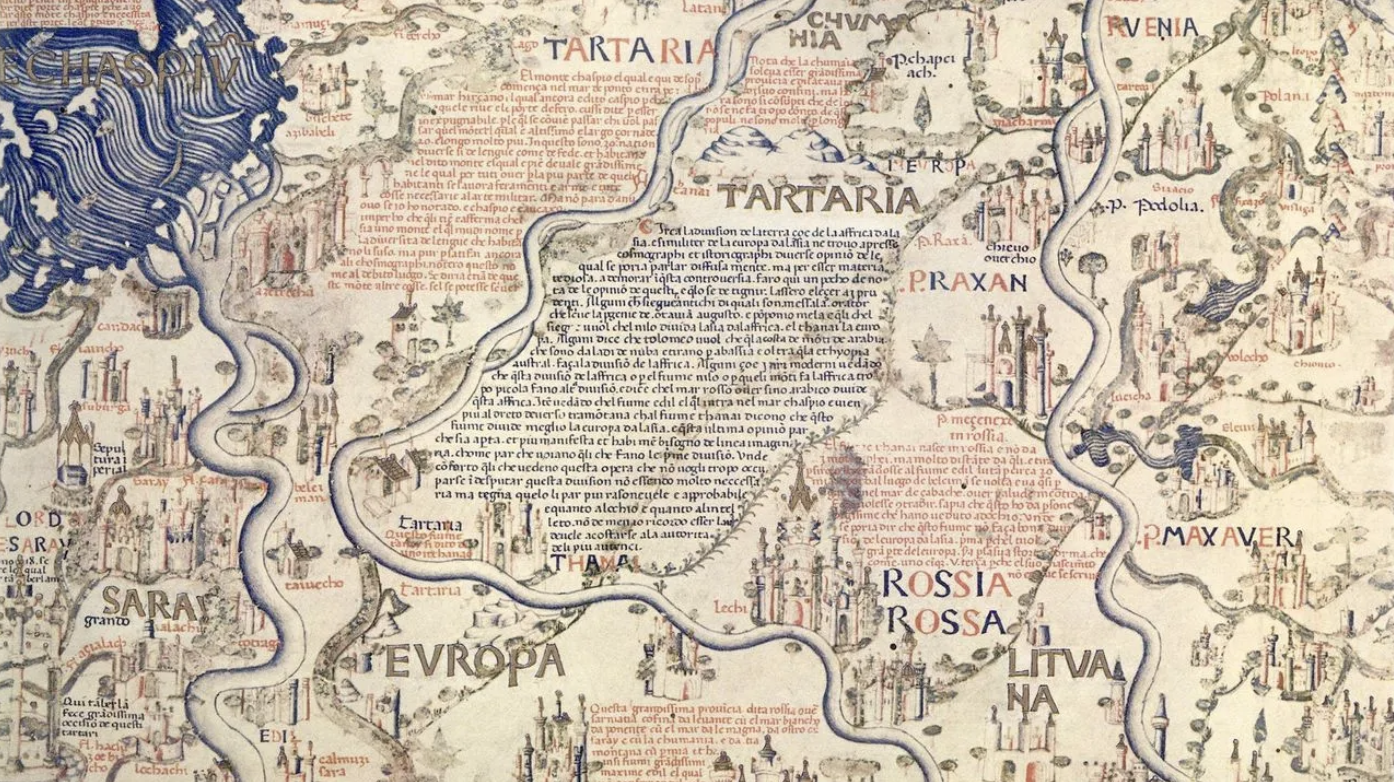
In education, we are almost trained to dislike memorization. Most of us only encounter the route approach to memorization in school: lists of vocabulary words, foreign language verb conjugations, and mathematical formulas must be crammed into our brains by force. This unpleasant approach to training the skill of memorization in childhood explains why the art is becoming rarer and rarer: if we have been taught to dread memorization, why would we not gladly hand over the duty to technology that seems infinitely more capable of retention than we are?
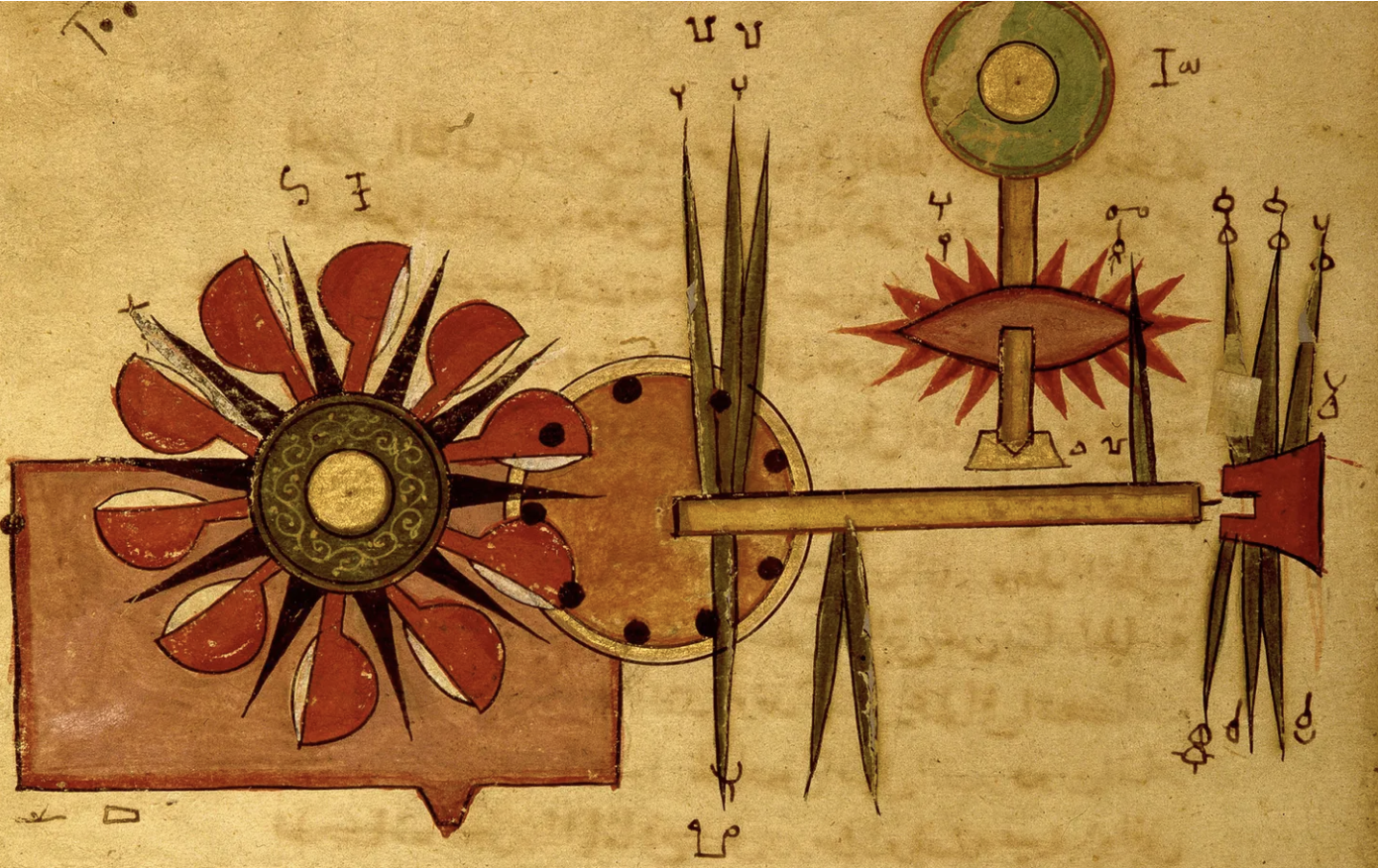
In modern life, we no longer need to remember almost anything at all: grocery lists are pulled up on a notes app, the GPS in every device can orient you to any location, the phone number of your childhood best friend is no longer stenciled on the side of your palm for safekeeping but can be found in seconds by a simple search. However, I believe that we may lose something crucial by outsourcing this long-relied upon capacity to retain. A memory is similar, in a way, to an object kept on a shelf long after its usefulness has expired. Your things tell a story of who you are. Even just the objects on your desk: your preferred pen, a photograph crumpled in your desk drawer, one brand of lotion that your mother said was the best, every object we acquire has a story, a reason connected to it, no matter how mundane. Our things create a museum of the lives we’ve led and the bits we’ve picked up along the way. Maybe memory is like that: we hold the name of our first grade crush, of the street where our first apartment was, of every lyric to every song from Mama Mia! because they were important to us at one point; there was a version of us who cared so deeply about that detail, that image, that number. Our memories create a map not only of where we’ve been but who we were when we were there. The things that stand the test of time prove our values, our focus: they create a personal continuity and an undeniable, subconscious identity.
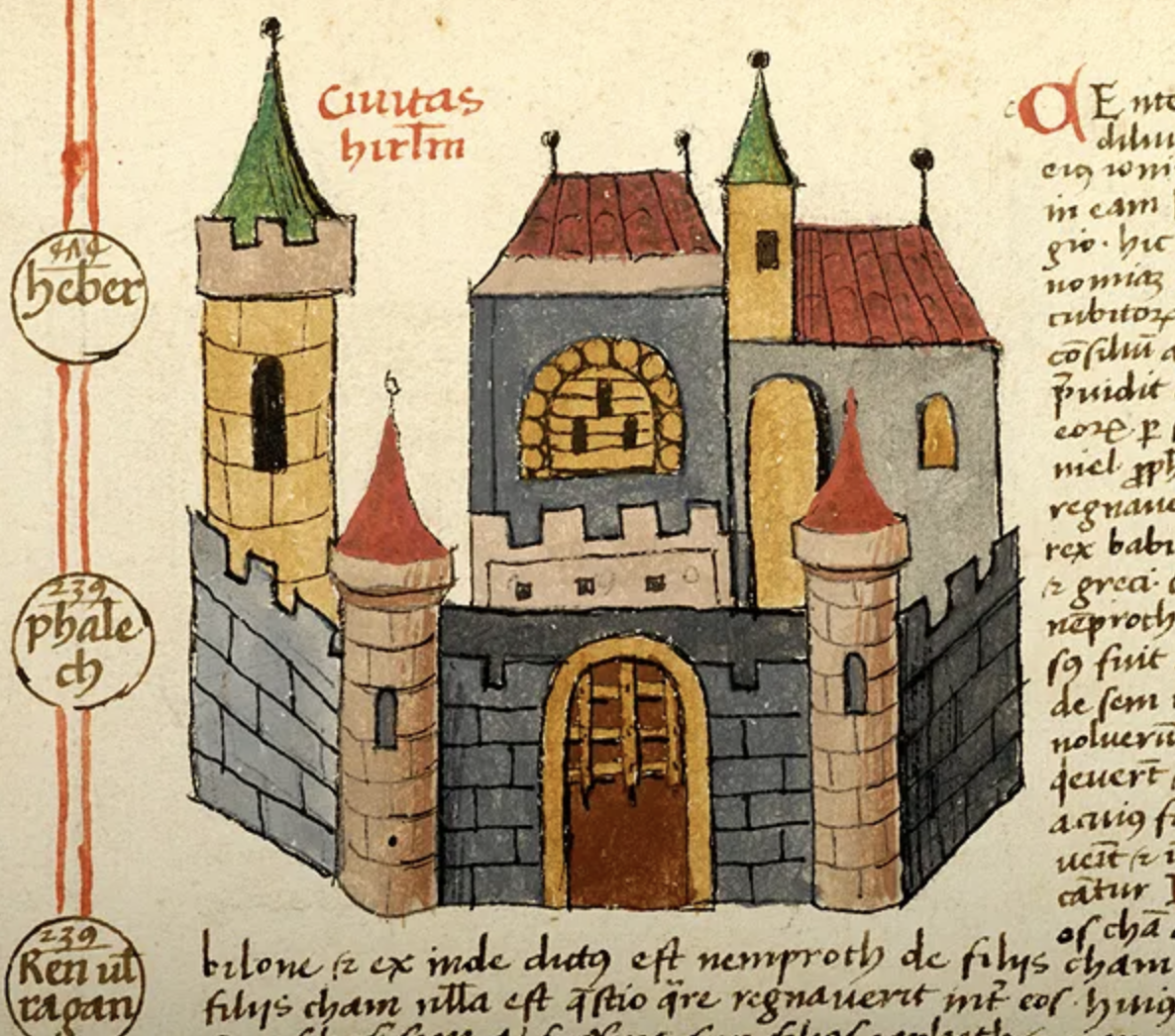
The memory palace is a deeply personal approach to memory; it situates someone else’s words and writings into a place that you create. To build a memory palace is to weave yourself into the things that you memorize. Forever more, that stanza will be tied to your kitchen table, that numeral to your doorstep. It does explicitly what memory always does subconsciously: it takes the objective and the exterior and leaves an indelible impression of one person’s experience imprinted there. In a world of constant offloading and outsourcing to artificial intelligence and the Cloud, maybe the intentionality of the memory palace is a perfect starting place to reclaim some of what we’ve given up as we delegate our memories to machines.