Lowly Language…
Why Medieval Latin is looked down upon now, and why Old English was looked down upon then
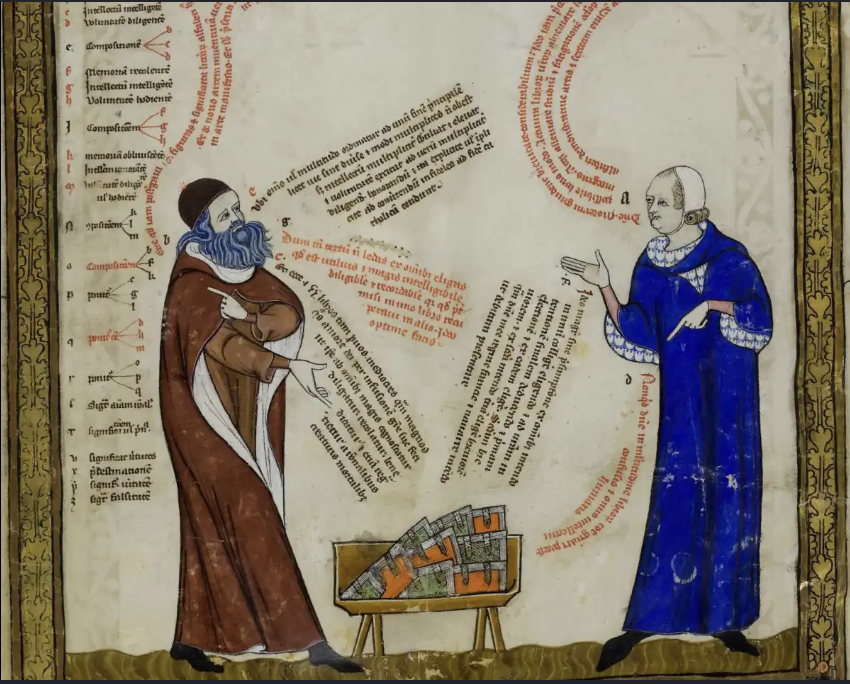
For the past few weeks, I have been absorbed in a transcription and translation project of a medieval Latin manuscript held at the Morgan Library (more on that to come shortly!). I’ve been a student of classical Latin for longer than Old English, and yet this is my first major encounter with medieval Latin. This project has made me deeply interested in the history of these two coexisting languages, their intersections, and the implications of using one over another.
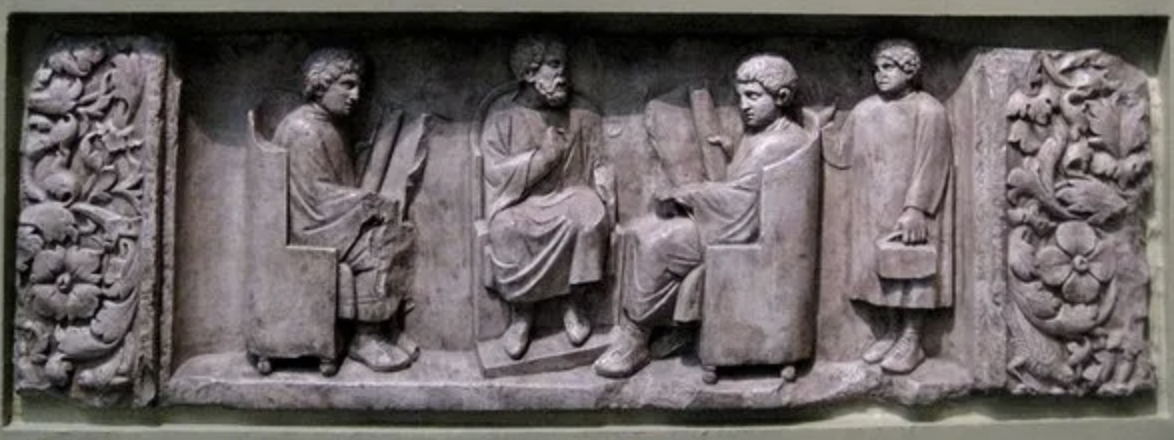
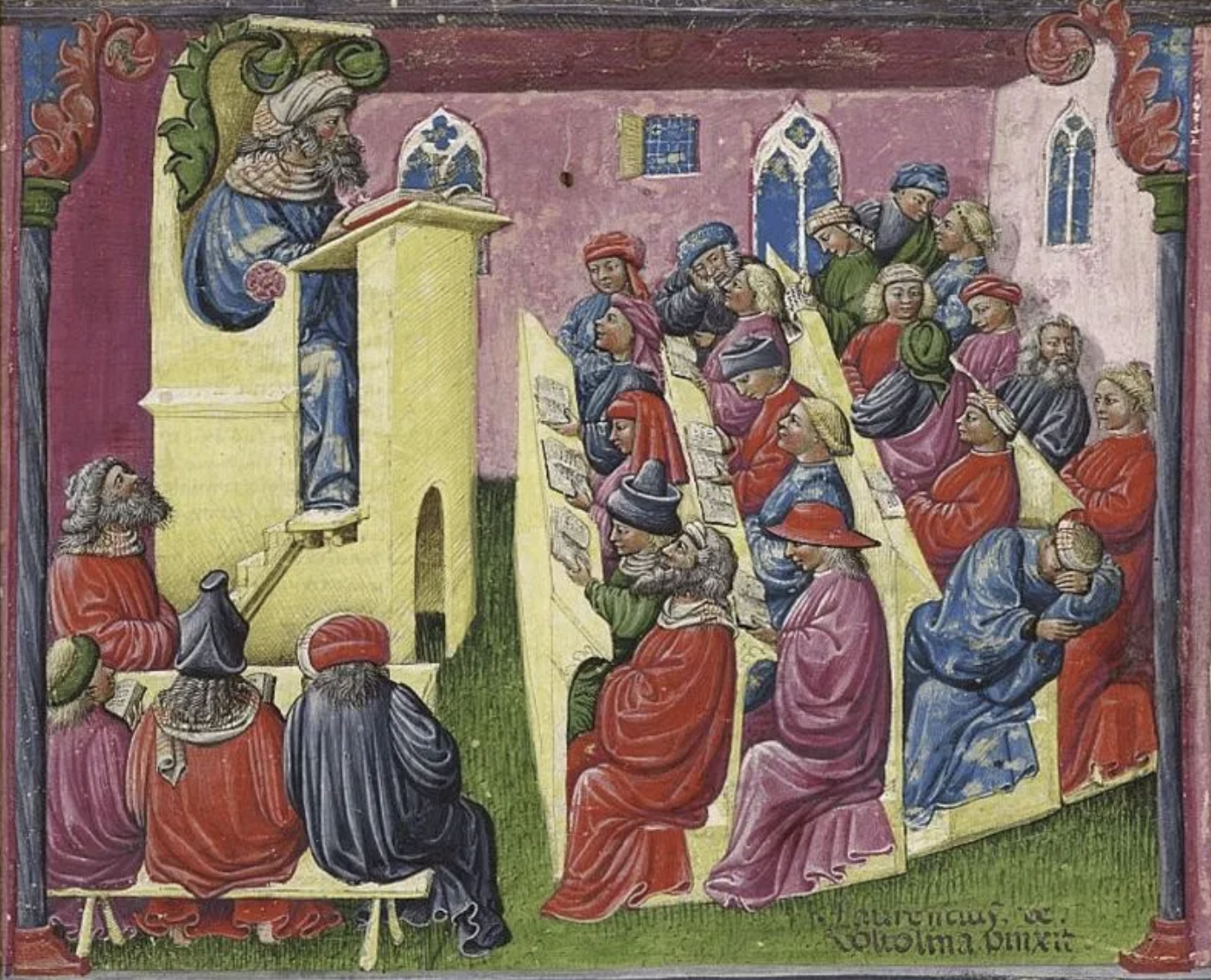
In the medieval period, Latin was first and foremost the language of the Church, but beyond this, it was a sort of lingua franca of the educated elite that spanned most of Europe, not just England. It was learned through a rigorous course of study early in life, typically by those in three main groups who would need to utilize it: the clergy, members of the noble class, and scholars who planned to pursue higher education. The primary language of theological, philosophical, and legal writings, it was also the language in which university lectures were given and students took notes. This created a class of more educated and often more materially comfortable individuals who all had in common this defining shared trait of language. The effects of this standard were persistent – even a century ago, most educated people could be assumed to have some rudimentary knowledge of Latin.
At the time, this resulted in a gatekeeping of literacy for the general public, who were not educated in Latin. Coupled with the scarcity of physical resources before the advent of the printing press, most religious texts and legal statutes were unreadable to the working class. This did not stop them from being held to the standards contained within; virtually all native members of the population were Christian, and the legal system of the time was specific, universal, and often harsh in its punishments.
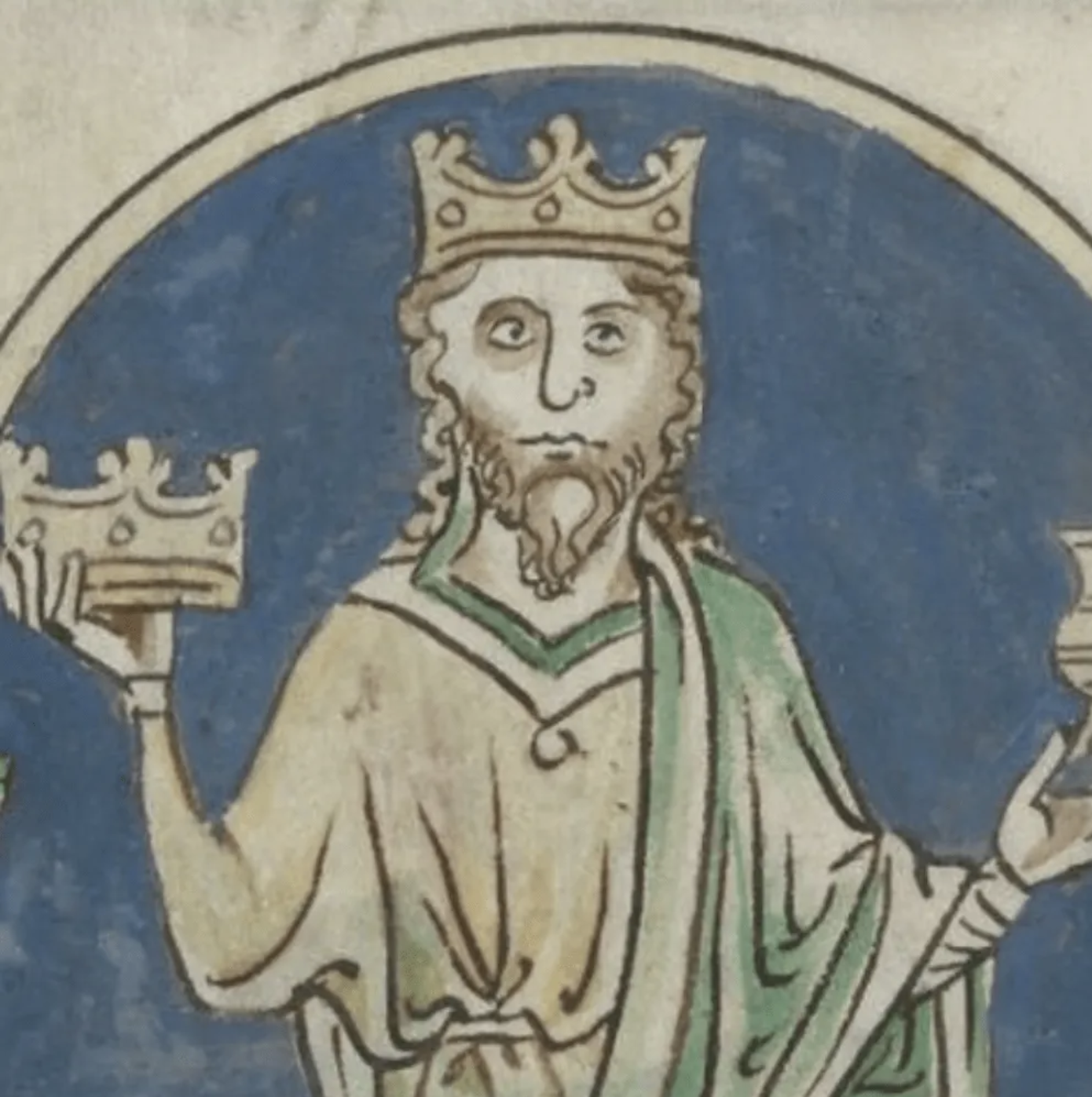
Alfred the Great, one of the best remembered Anglo-Saxon kings, was responsible for a sea-change in education and the language of literature in medieval England. A voracious scholar himself, Alfred pioneered an effort to translate a great number of Latin texts into dialectical Old English, making them intelligible to a larger audience from all walks of life. He himself, believing that he should serve as an example for his subjects, worked to translate several works into Old English including works by Boethius and Pope Gregory. Additionally, he increased the number of public schools that taught Old English reading and writing to free-born children, so that an even larger number of people would have the ability to read in some capacity. His work contributed to the vernacular becoming an increasingly acceptable language for legal and scholarly texts.
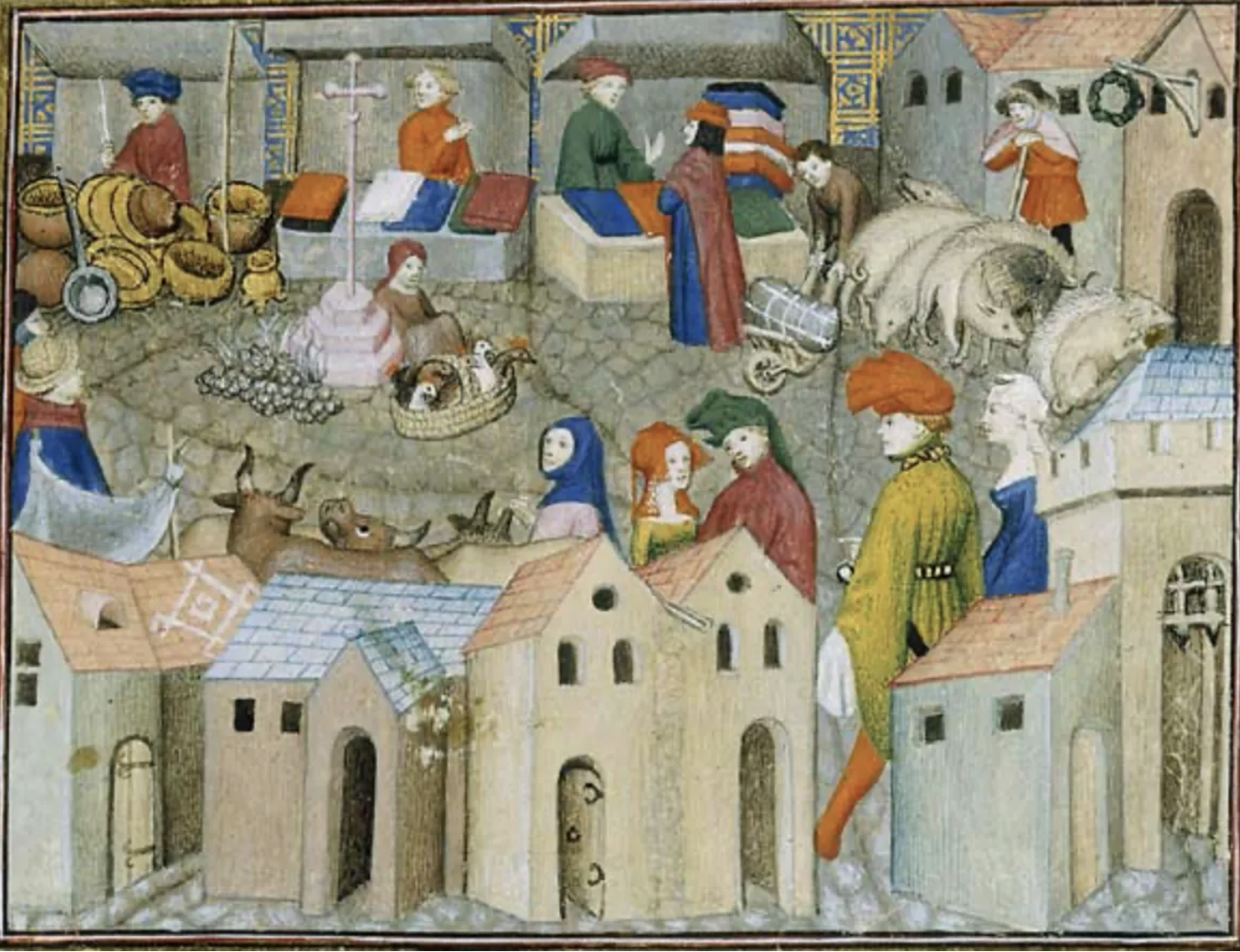
However, Latin remained the primary language of the Catholic church and many scientific writings, and its study continued to be limited to a highly privileged class for many centuries to follow. Even today, academic and formal writing guides distinguish between “Anglo-Saxon” and “Latinate” vocabulary (which refers to the etymology of certain Modern English words), encouraging the use of mainly or exclusively Latinate language to lend a more intellectual or educated tone. When you begin to consider this distinction, it seems (perhaps uncomfortably) true that most of us consider Latinate words, either spoken or written, to indicate a higher class or degree of expertise (think illumination as opposed to light; profession as opposed to job). The pervasive nature of this hierarchical distinction in language is fascinating in its implications on our contemporary impressions and subconscious assumptions.

Medieval Latin itself, however, is distinctive from its Classical predecessors in its variety and the extent to which local dialects have been infused into the language. Many classicists I have encountered in the present day dismiss medieval Latin as inferior and poor quality, the result of failure to adhere to rules of grammar and syntax. Vocabulary, too, often seeps from English or French into Latin texts, the result of the influence of scribes’ native tongues.
However, many medieval Latin writings show an impressive familiarity with classical texts, with themes such as the Trojan War and Roman history appearing alongside (and interwoven with) Medieval ideas and preoccupations. Joseph of Exeter, a 12th century poet who authored Bellum Trojanum, incorporates many stylistical allusions to classical authors such as Virgil, Ovid, and Lucan. However, his position in time and place saturate his writing, such as in his description of Helen of Troy. He, on the basis of common contemporary understanding of human physiology, decides that Helen’s heart, lungs and spleen are not the cause of her anguish, but rather her liver.
Examples like this one display the fascinating complexity of medieval Latin, which by nature provides a deeply layered cross-section of a culture that both upheld linguistic division as a class distinguisher, and simultaneously was moving away from the former Roman Empire, defining both a new nation and a new era.