Outlawed or cancelled?
Punishment by the masses and the glorified fugitive: a reflection of the political pendulum
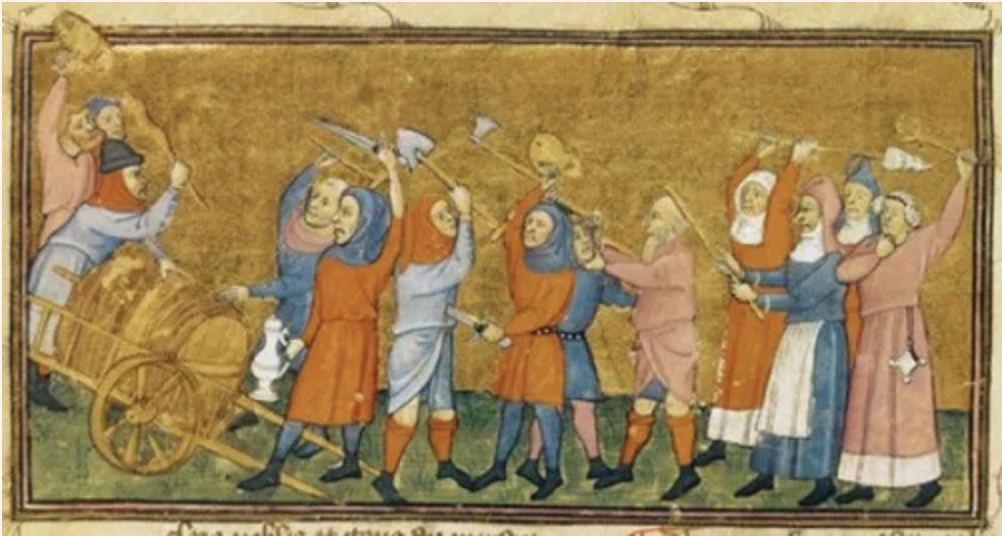
When you think of an outlaw, what do you picture? One of the most enduring and recognizable characters associated with the term is charismatic folk hero Robin Hood. Often portrayed as an adventurous, mischievous, and only mildly criminal champion for the good of the common people, our modern perception of the character presents a rosy picture of the state of an outlaw in Medieval England. However, outlawry was not just an invention of folktales and anthropomorphic animated foxes, but a real and often gravely serious legal condition.
In the medieval period, an outlaw was a person who was literally determined to be outside the protection of the law. Only males and people over the age of fourteen could be outlawed, although women went through a similar stripping of legal protections known as being “waived” that had effectively the same result. This practice began in the early medieval period as a response to criminal acts coupled with a failure to appear in court, but over time came to include civil offenses as well. A suitor would make an appeal, or a case for why an individual should be made an outlaw, in a local court. In some cases, possessions would be seized and managed by the government. It was possible to reverse a ruling of outlawry if the outlaw appeared to either argue that an error had been made in the process of the ruling, or to request a pardon for their offense.
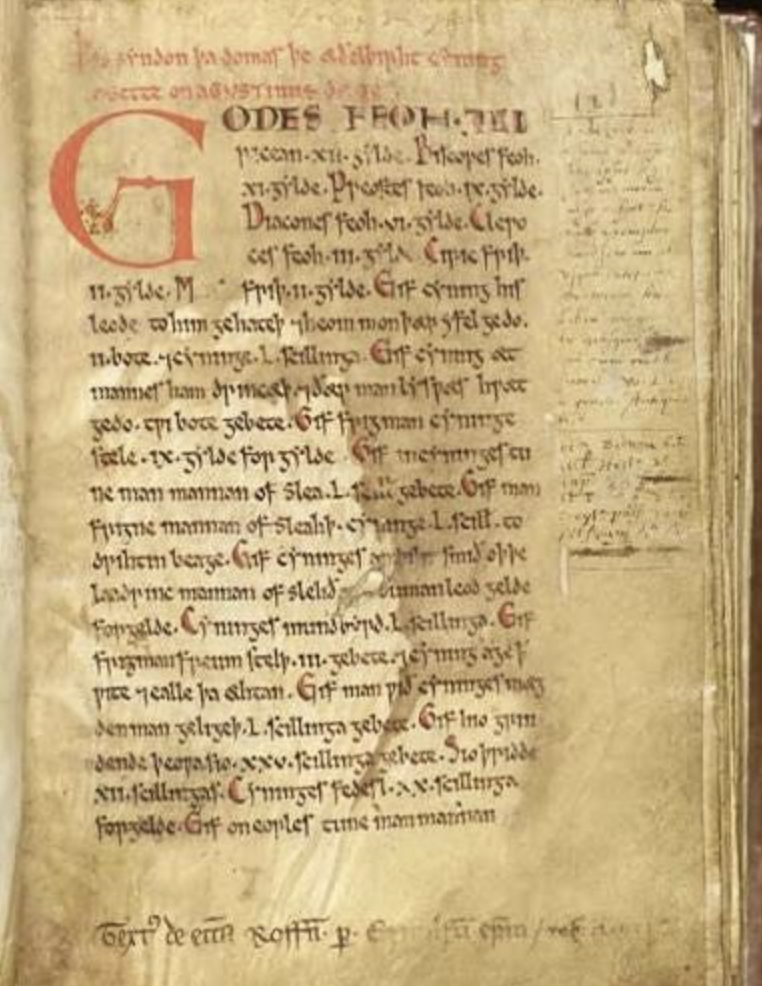
Law of æthelbert, the oldest known Ango-saxon code of laws, dating to the seventh century
This practice has roots in the Athenian practice of ostracism, in which a vote would be held to formally exile an individual from society, and in the Roman concept of homo sacer, or “sacred man”, a status which qualified someone as both abandoned by legal and religious protection and subject to any fate except for religious sacrifice. The specifically Early English practice of outlawry began as an aspect of what the Romans referred to as barbarorum, or “laws of barbarians”, which originated with the Germanic tribes and spread across Europe after the fall of the Roman Empire. These laws incorporated both aspects of Roman law and of earlier Germanic peoples.
The consequences of becoming an outlaw were often severe: as a person unprotected by the law, one could be killed or prosecuted by anyone without legal ramifications. For individuals who had committed serious enough social offenses to be put in front of the court in the first place, often as serious as murder, rape, or sorcery, public outrage would often result in a much harsher and crueler punishment than law enforcement would have. Thus, the proclamation of outlawry was often effectively a death sentence, simply shifting the responsibility for deciding and carrying out punishment onto the populace rather than the justice system.
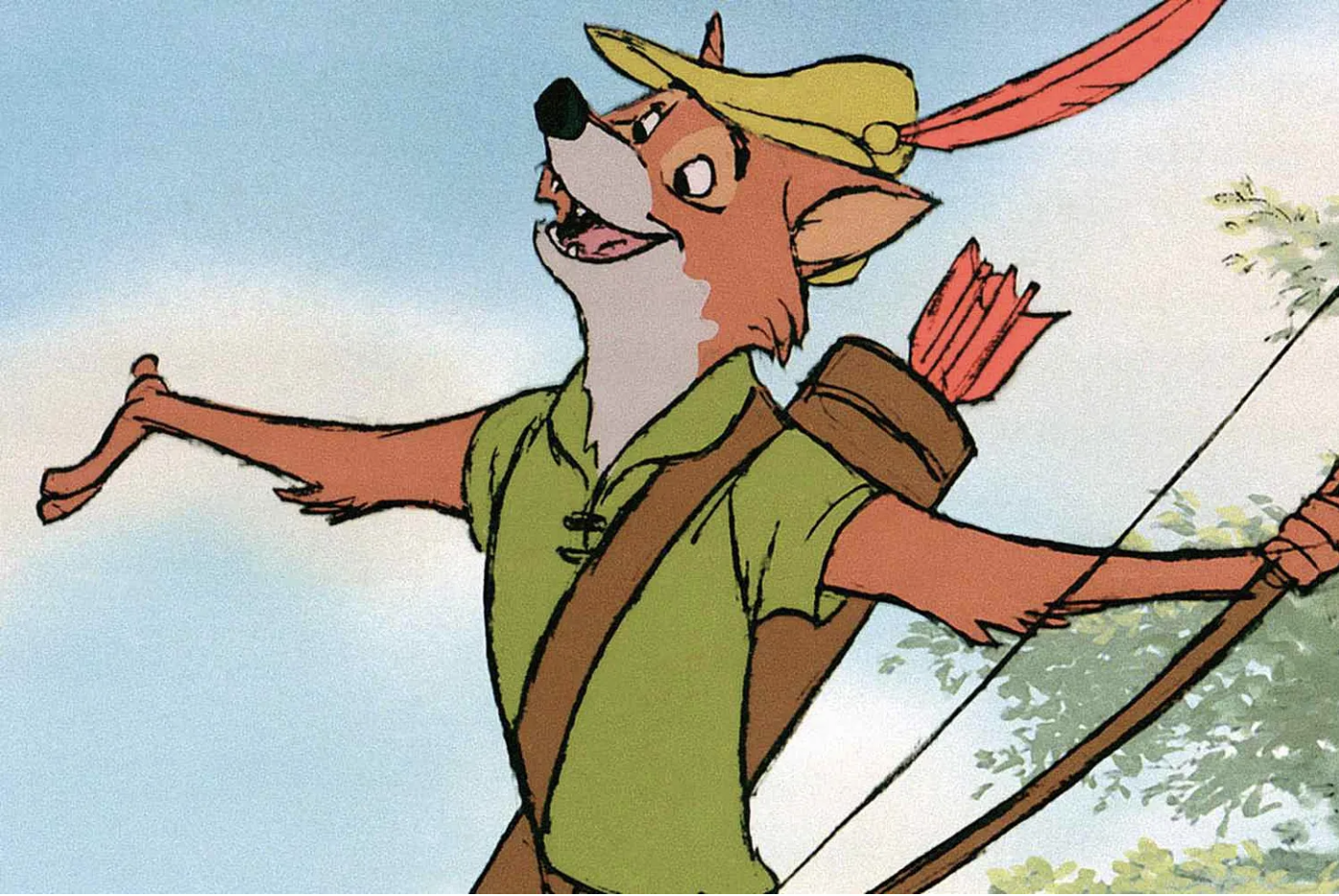
Disney’s animated, anthropomorphic version of Robin Hood (Credit: Snap/Shutterstock)
So, where did Robin Hood and the archetype of the romanticised outcast come from? The first time he makes an appearance in the literature we know of today is in 1377, when William Langland, the author of the alliterative verse known as Piers Plowman, briefly referenced the “rymes of Robyn hood”. This mention hints that Robin Hood was likely the frequent subject of oral tradition before he was ever captured in writing. However, shortly after this first instance, the myth seems to have exploded in written popular culture, accruing over two hundred references by the end of the medieval period. His character has often shifted and been reinvented over the years since. These transformations can be seen as a projection of the society imagining him, recreating him in accordance with the evolution of their own desires and discontentments.
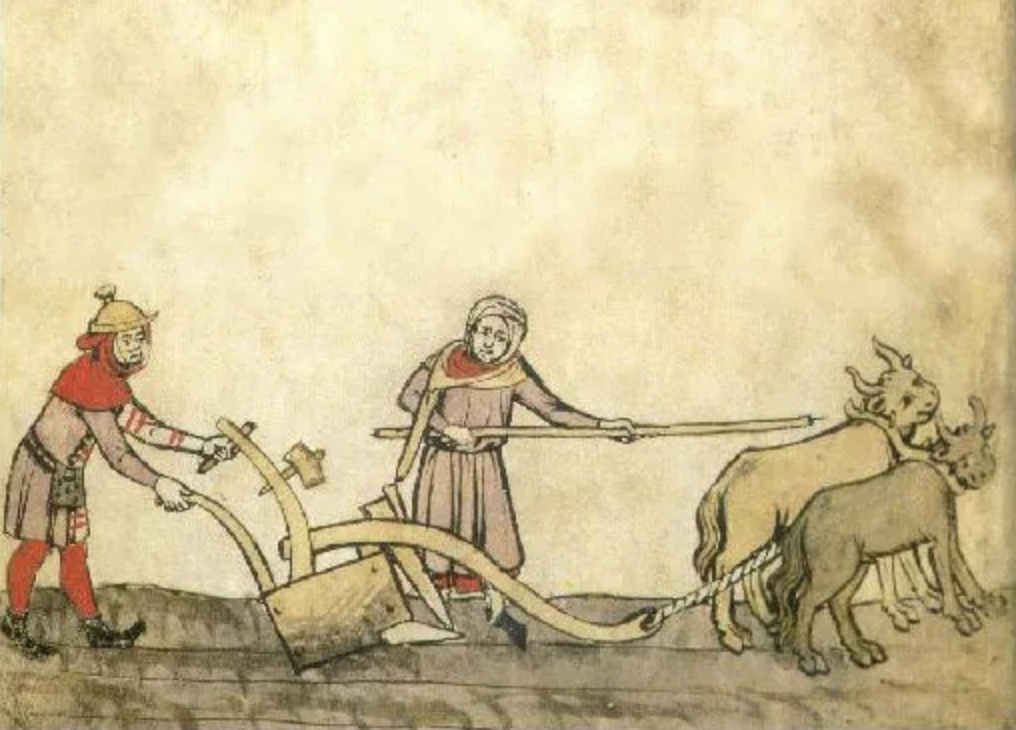
An image from Piers Plowman (Trinity College Cambridge)
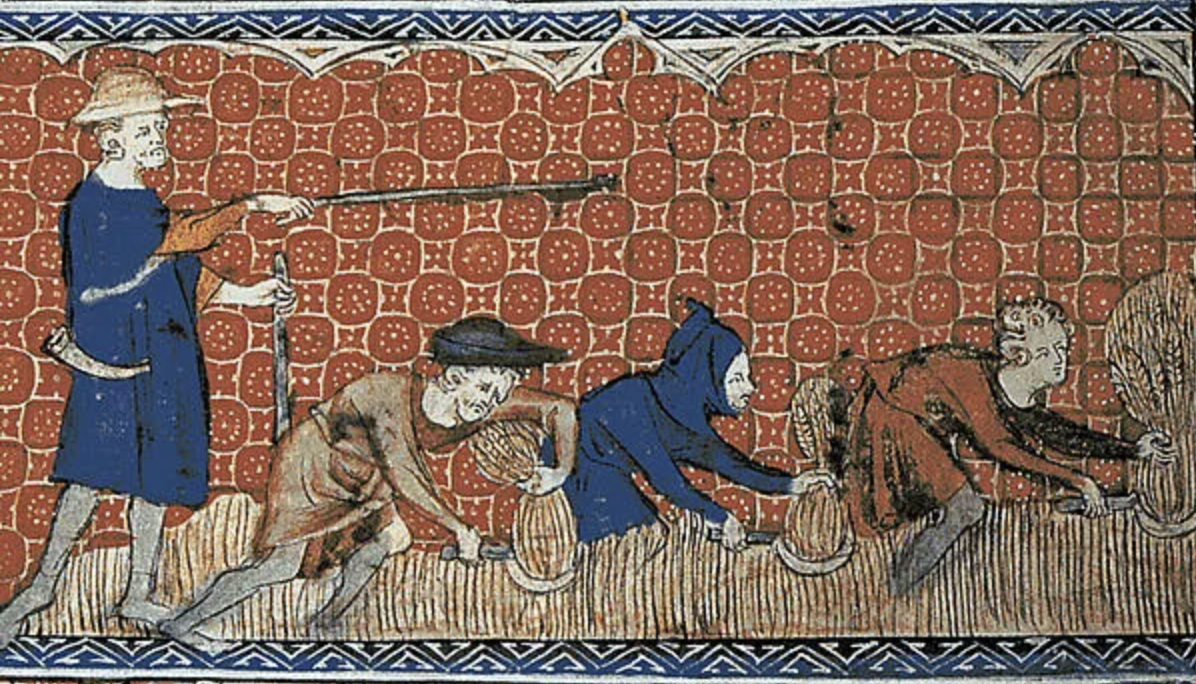
In recorded stories from 14th century England, we see Hood portrayed as a rebellious dissident committing acts of violence against local government figures and the upper classes. This narrative would have likely held cathartic appeal to agrarian masses growing increasingly resistant to the restrictive and brutal feudal system maintained by wealthy landowners. Later iterations provided different manifestations of timely concerns: during the economic turmoil of the Great Depression in America, a 1938 film entitled The Adventures of Robin Hood, which presented the titular character as a heroic and golden-hearted crusader against elite corruption, resonated deeply with a struggling working class audience. The case of Robin Hood is one prolific example of a wider theme. Curiously, despite the harsh reality of Medieval outlawry, literary tradition dating back hundreds of years often casts those in this outcast state in a romantic light.
The concept of outlawry, which enabled punishment by the masses that provided a crueler outcome than if the matter were handled in a legal context, is reminiscent of our own uniquely modern breed of ostracism. Cancel culture, a phenomenon of widespread shunning of an individual for a perceived social misstep, became widespread in the early twenty-first century along with the ubiquity of technology. Often in response to speech or actions that are technically legal but are considered inappropriate or hurtful, the practice has provoked widespread resentment for inhibiting free speech. The ripple effect of “cancellation” can effectively blacklist individuals from finding employment or making social connections on the basis of one interpretation of a certain action. This recent and growing reactionary dissatisfaction has been made manifest in many different areas, from political campaigns run on opposing these culture wars to popular culture (such as Taylor Swift’s recent satirical anthem, “CANCELLED!”).
Perhaps this is a similar explanation to why Robin Hood and other medieval outlaws were romanticized in the popular media of their time, and why our attraction to these stories has endured. Medieval outlawry was designed to erase an individual from the protection of society and its regulated state. Yet popular culture repeatedly did the opposite, preserving certain outcasts as heroes, becoming fascinated with their demise. The regulations of society, ostensibly in place to keep people safe and civil, as well as the ability to exclude individuals from that protection, were enacted by those in power. These were often the same people also to blame for many indignations of the masses. Under feudalism, it was oppressive landowners and local governments, today may mean political leaders and public figures, or even the perceived tyranny of online public opinion. Perhaps it is only natural for that when authority becomes suspect in the public eye, an injured public will glorify those rejected by their leaders, even if at first they too were responsible for that rejection.