A Stylish Statute
Fashion, judgement, and society through the ages
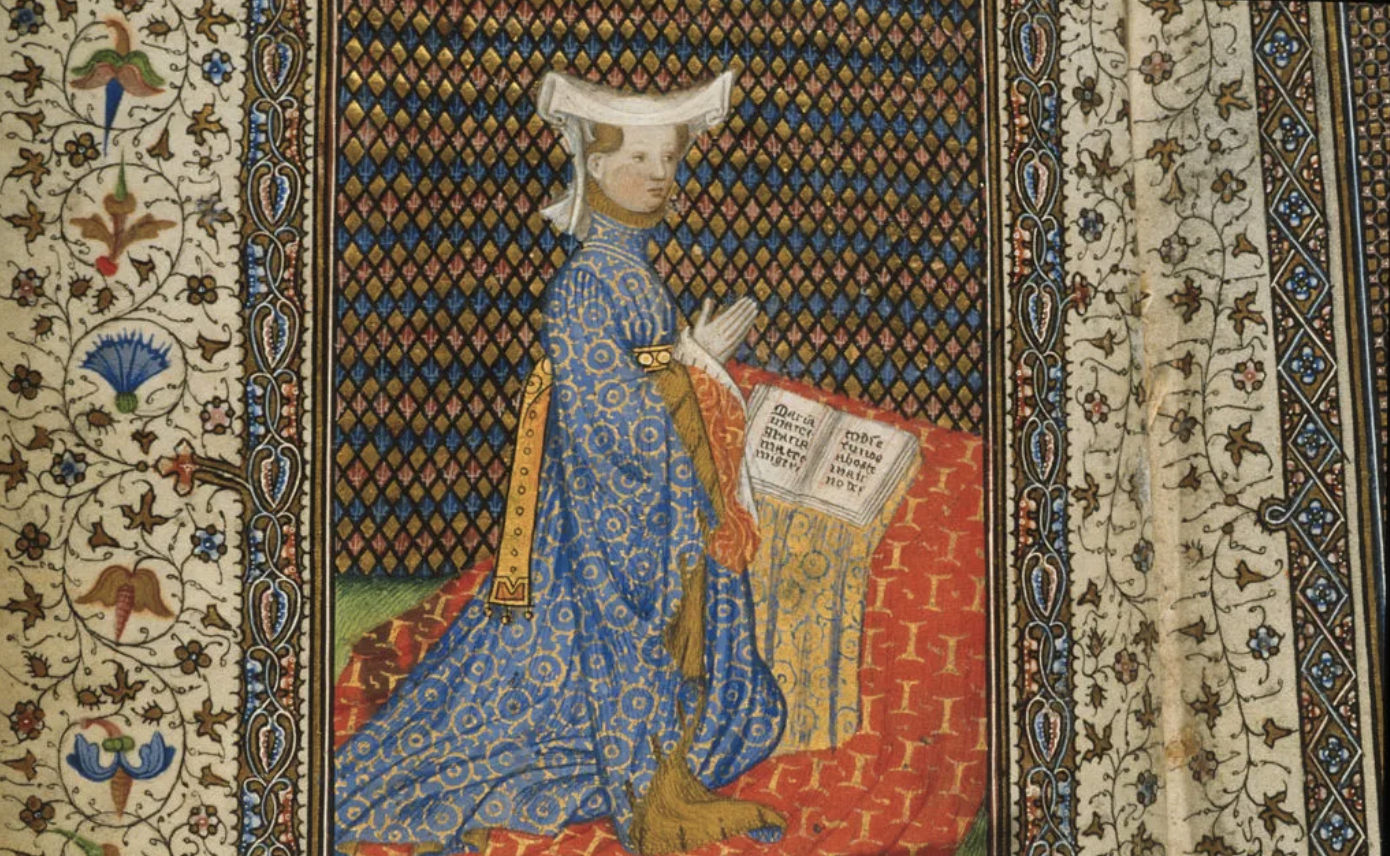
Fashion is inherently communicative. Even when it isn’t overtly used as a conscious statement, our appearance sends signals to everyone around us about our values, our class, and our character. Whether conscious or unconscious, clothing can be used to subvert or to uphold social norms, and to express (or at worst, to appropriate) cultural and civic affiliations. As someone who spent most of my formative years dutifully following (for the most part) strict prep school dress codes, I’ve always been vicariously fascinated by the incendiary effect that clothing can inspire.
In the medieval period, the link between fashion and politics was perhaps even more concrete than it is today. One reason is economic: clothing often accounted for a huge percentage of household labor and income, due to the lack of mass production systems and the time and expense required to make materials. This positioned clothing and its purchase as a much more significant decision, with wider economic ramifications.
Additionally, a set of strict codes known as Sumptuary Laws governed a person’s apparel based on their gender, class, age, and marital status. These laws had several goals: ostensibly, they sought greater economic protection by restricting the purchase of foreign commodities, instead emphasising the products of domestic trades, such as wool.
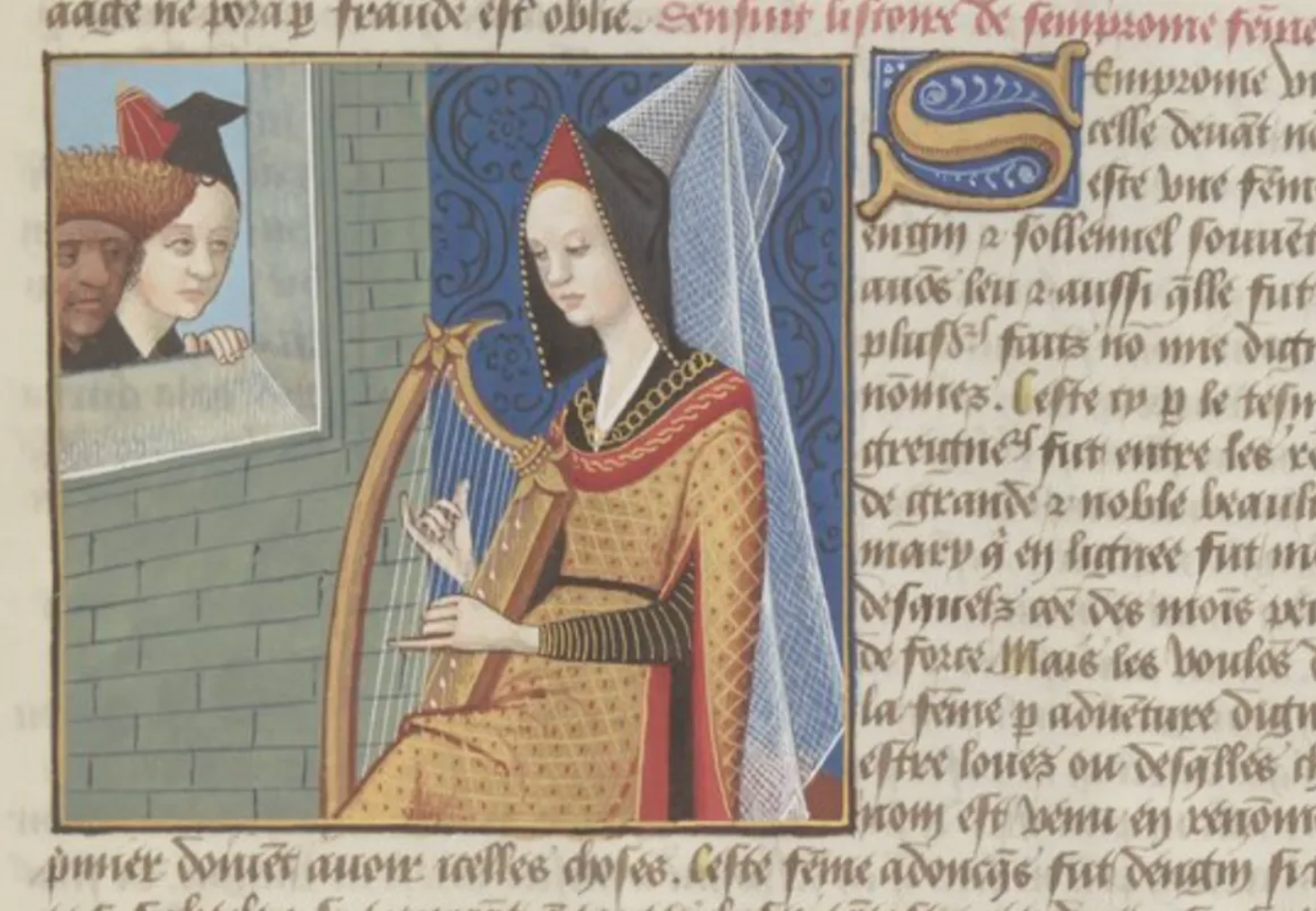
They also created a clear distinction along the lines of class, rather than money. In an effort to repress wealthy merchants or tradespeople from becoming confused with nobility, these laws prohibited the use of fine materials, including expensive furs, silk, gold, velvet, and satin, as well as certain dyes including crimson and purple, in clothing for anyone without a noble rank, regardless of whether they had the means to attain it. Violators faced heavy fines, often along with public shaming. Therefore, these codes constructed a society-wide sense of morality around clothing: to be shamed for the violation of the Sumptuary Laws was to be considered vain, proud, or covetous. These traits were also among those most strongly discouraged by the Christian church, displaying the interwoven nature of Church and State in the period. Through these codes, fashion became a tool of moral control for the highest legal powers in society, and simultaneously, these officials acted as a mouthpiece for an often paramount authority: that of the church.
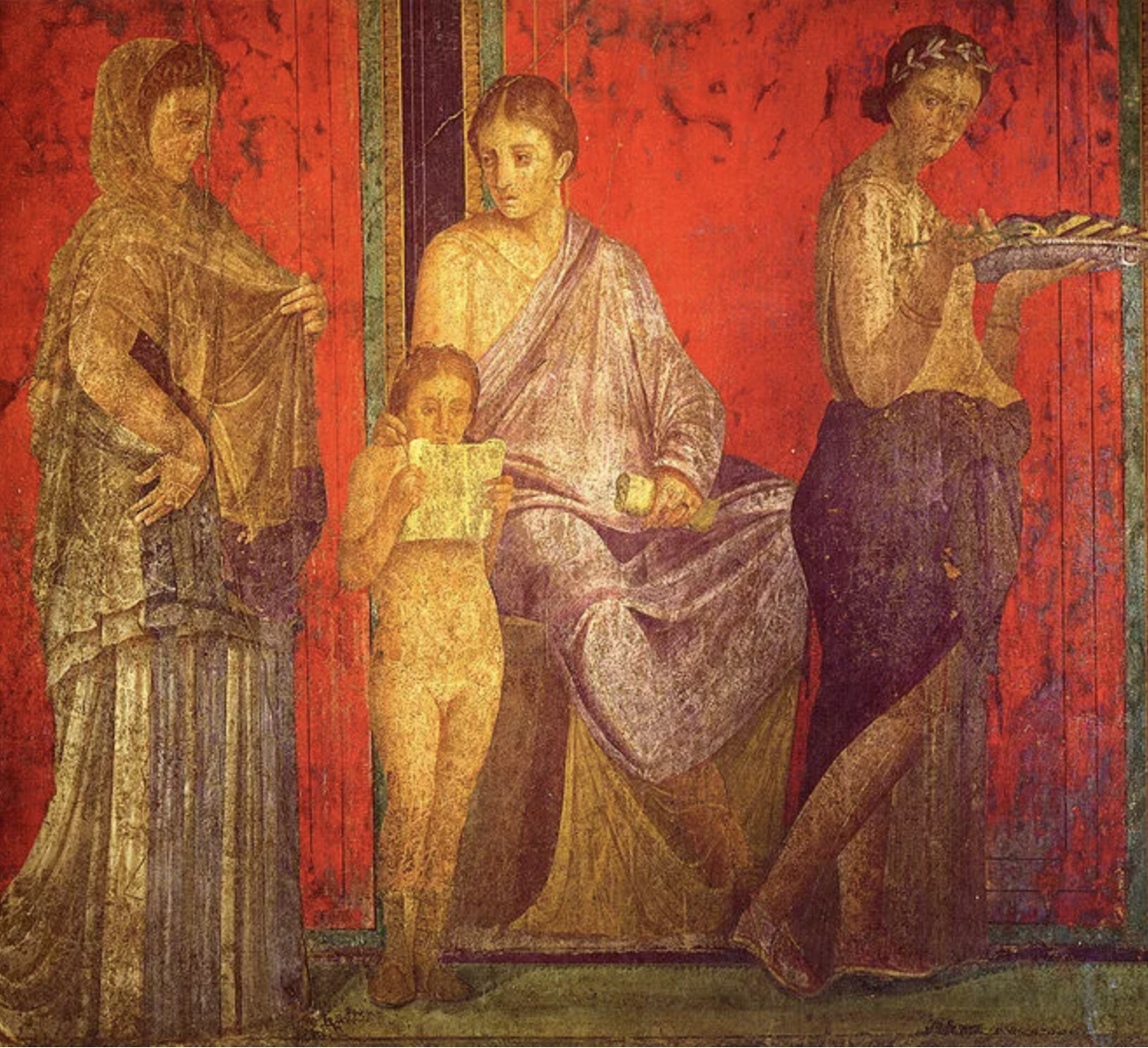
Clothing in the early Middle Ages was a close continuation of Roman dress, a remnant of Britain’s time under the control of the Roman empire. Simple tunics, made from two rectangular cloth panels and cinched with a belt, were the basis for both male and female dress, and only material distinguished the titled and wealthy from the peasant. Later, these garments became more fitted in the bodice through darts and gathering, until they were so figure-hugging that they could no longer be pulled over the head but instead often had to be laced or buttoned. Known as the côte-hardie, this garment signaled a shift away from Britain’s Roman past, occurring as other political and cultural ties to the Roman Empire steadily dissolved.
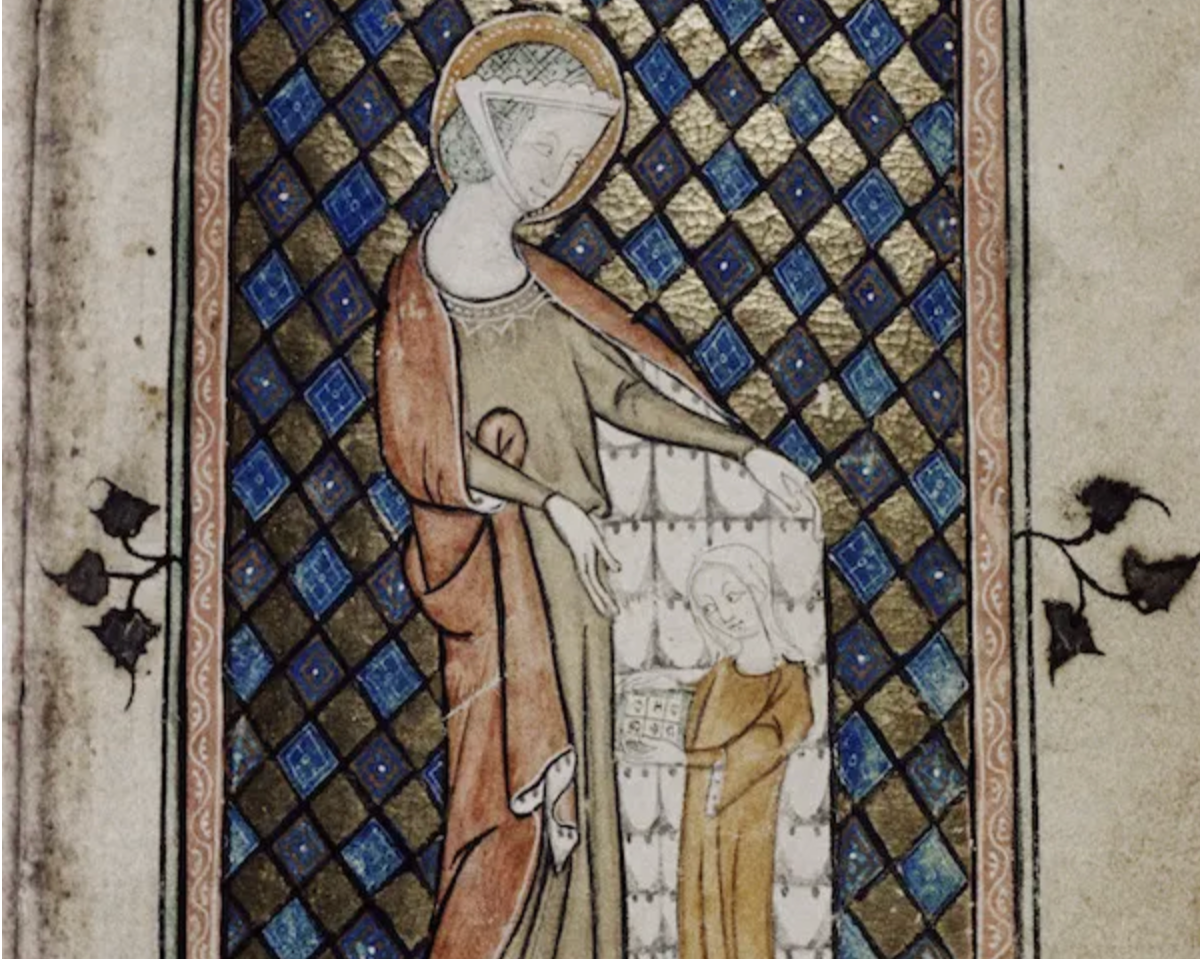
Other realms of style reflected less on overt political forces, but yet still tell us much about the values of the society. Modesty, a value deeply engrained into medieval society’s conception of a proper woman, dictated many decisions around fashion. Nuns, who displayed the greatest virtue by covering virtually every part of their body, reflecting their vow of devotion and chastity, sat at one end of the spectrum. At the other were some wealthy women who increasingly subverted these expectations with trends like lower necklines and the sideless surcot, a sleeveless garment that bore full view of the tunic beneath. Did a garment cross the line from coy to promiscuous? Did a certain flashy material worn by a noblewoman impress her visitors, or come across as coarse and distasteful?
Another aspect of politics reflected in clothing is that of international relations. Textiles, such as silk, samite, and camlet, were increasingly imported from Asia and the Middle East to Europe as trade viability increased. In tracing the materials used in medieval clothing across the centuries, scholars have been able to glean a fuller understanding of trade routes and mercenary relationships, as well as shifting power and financial dynamics between countries, continents, and empires.

While medieval laws determined whether clothing was either obedient or disobedient, modern fashion is still extremely relevant in political and cultural distinctions. It’s just become less explicit, moving from legal statutes to front-page news and even internal, subconscious judgements. Moral judgements are causally and ceaselessly heaped upon clothing and the people who wear it. Different garments communicate professionalism, class, or attention-seeking. While this applies disproportionately to politicians (a google search for “Mamdani suit” pulls up 4,290,000 results, from hate forums to New York Times analyses) and other public figures, this scrutiny is merely a magnification of the level of importance and controversy that clothing carries for all of us.

Strikingly, although the political role of fashion has shifted from medieval to modern society, its effect is still extremely prominent. Why is it that a church and a state who dictated most rules in society would feel the need to aggressively restrict access and permissibility of style? It’s because clothing communicates, and a vital step to societal influence is taking control of platforms for public communication. Across time, clothing has been such a significant aspect of identity and presentation because it serves as a mechanism to make abstract social and personal values visible. Medieval society transformed fabric and color into symbols for status and morality, and in doing so, effectively froze the social hierarchy, repressing the trend of untitled people gaining monetary success and expecting class mobility to follow. Today, brands, dress codes, and cultural ties mingle with social expectations to project political affiliation, ideas about wealth, gender, and identity, and adherence – or subversion – of morality norms onto the body, where they are immediately visible and available for analysis or debate. The lack of sumptuary laws today hasn’t made fashion apolitical. The institutions and the expectations through which clothing acquires meaning have shifted, but the significance and contention seems here to stay.