Guilty Looking
A super superficial superstition
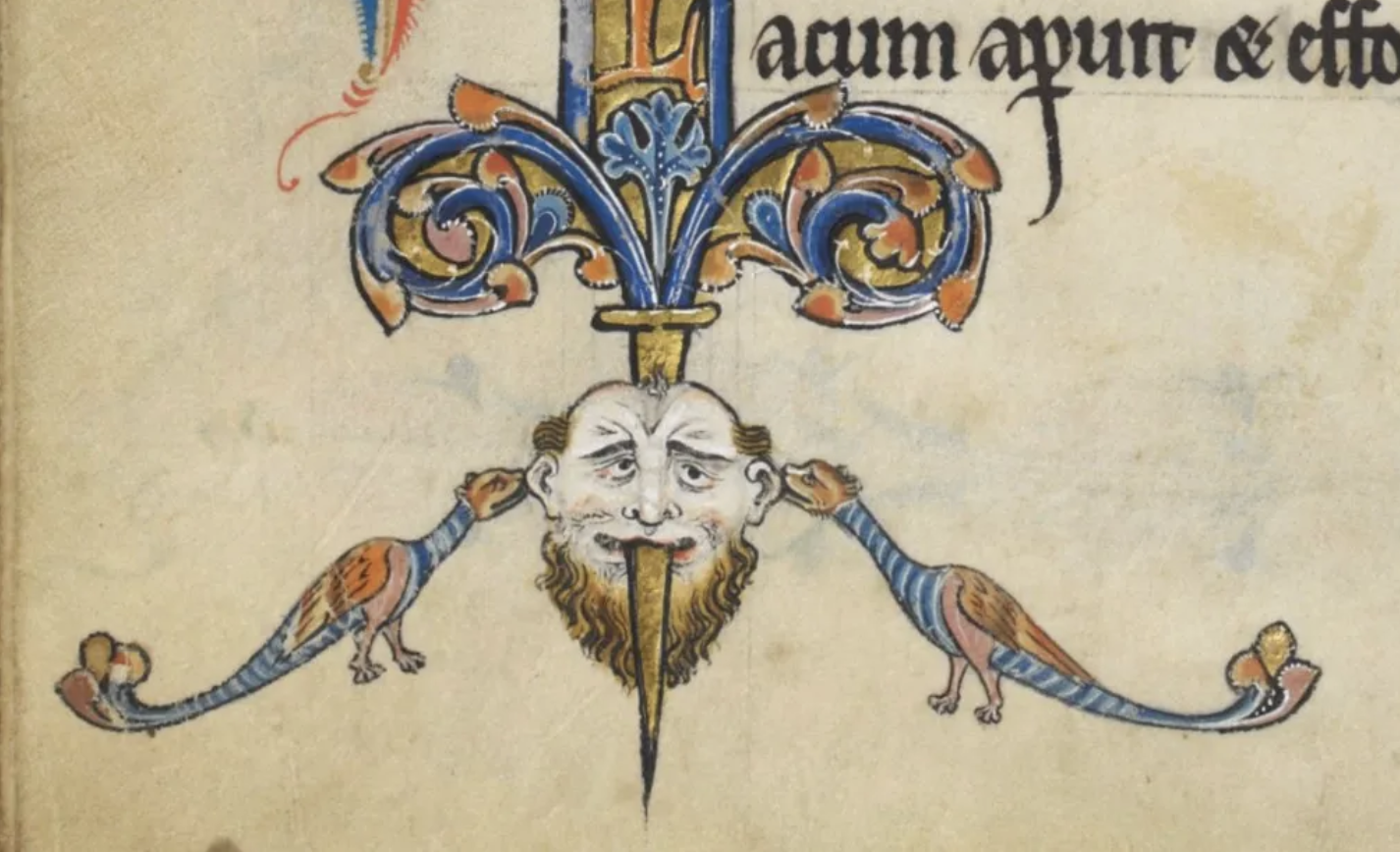
There seems to be consensus that we live in a judgmental society, particularly when it comes to aesthetics and appearances. Hollywood and social media have long been bemoaned as the cause for an undue emphasis on how we look. But today, I want to explore a much older system of superficial judgement: the medieval science of physiognomy, or understanding someone’s character from their facial features.
The word “physiognomy” originates from the Greek physis, or “nature”, and gnomon, meaning “judge”. Physiognomy is a practice rooted in the medieval conception of the soul-body connection, a field existing at the intersection of science, divination, and natural philosophy. It was built around the common belief at the time that a person’s inner attributes were tightly linked to their exterior, so the qualities of their character would manifest themselves physically. The physical body, referred to as the “outer sign” could therefore be examined to make judgements about the “inner truth”, or the soul.
The practice originated in classical texts, with the first appearance often attributed to Aristotle (though the true author is often contested), who claimed to be able to discern traits like strength or intelligence (and lack thereof) from examining the facial features. Later Greek and Roman scholars such as Pliny the Elder and Juvenal also allude to Pseudo-Aristotle’s method as a practical philosophy. Other cultures also had beliefs that were similar to European physiognomy, with descriptions appearing in the writing of the alchemist ar-Razi and in Chinese traditional science, for example.

By the medieval period, these largely pseudo-scientific and descriptive principles were expanded on, sometimes veering into the mystical and supernatural. Much of their specific beliefs around physiognomy came from animals, with the theory that “like resembles like”. This meant that a person who resembles a certain animal, such as a person who had a short nose like a pig or a longer, pointed one like a hound, must also resemble that animal’s behavior and morality. They also distinguished between “fixed”, (or permanent like face shape or eye color), and “transient”, (such as blushing or pallor), and believed that a combination of the two could be read as an index of both the character and emotional state.
The practical area in which this pseudo-science was most memorably employed was in the legal practice of the time. It was not unusual for jurors or judges to assess the physical appearance of a defendant and weigh them heavily in deciding guilt, innocence, and punishment. Prosecuted individuals who bore facial features that were considered to be untrustworthy were less likely to be believed, and consequently, were more likely to be subjected to torture in order to extract a truthful confession. Transitory signs were also analyzed and used to influence the decision, with a trembling or pale individual immediately scrutinized and often convicted, regardless of other evidence or context.

The practice of using scientific-sounding claims to back up a conviction that is otherwise unfounded is one that is still pervasive today. While the modern-day field of forensics has indeed made great strides towards accuracy and is in some cases an invaluable tool in the trial system, it has a complicated history. Due to cognitive biases, standardization gaps, a derth of adequate resources to analyse collected data, and the dubious nature of certain technologies, forensic science is often associated with wrongful convictions and misapplication. However, certain areas in particular, such as forensic psychology and neuroscience or DNA fingerprinting, have high potential for delivering more accurate and nuanced understandings of cases, especially as the technology continues to develop.
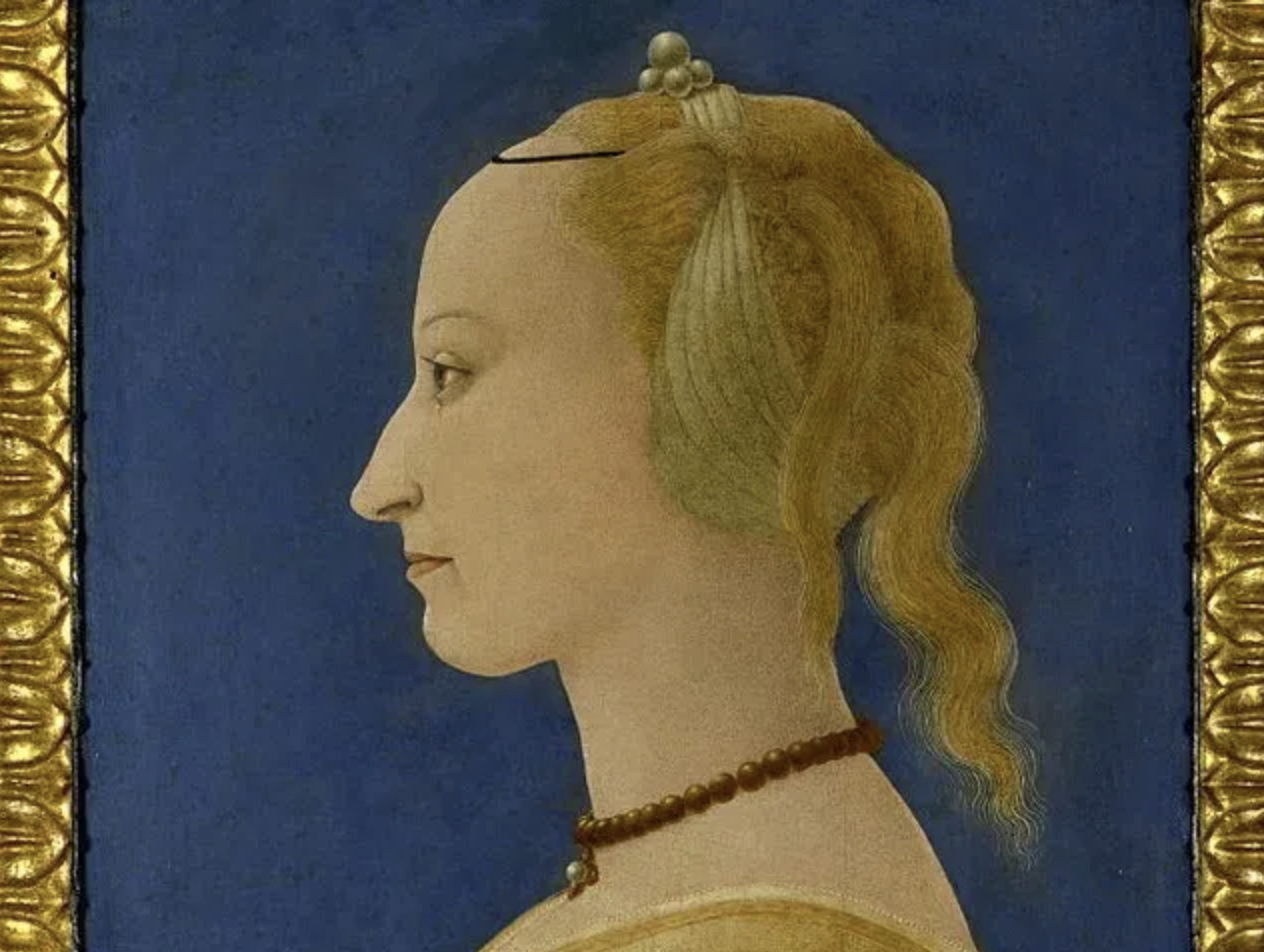
Physiognomy, while no longer given scientific credence amidst our much advanced understanding of human anatomy and psychology, can still be found in many aspects of our culture and belief systems today. Medieval thoughts about personality and facial features seeped into the art of the period, where qualities that a subject wanted to be thought to possess would be specifically expressed through the artist’s impression of their features. Many of these attributes, such as a high forehead to signify intelligence, continued to be the beauty standard well into the Renaissance, with women cultivating artificially high hairlines even as scientific conception of physiology improved and physiognomy was largely discredited.
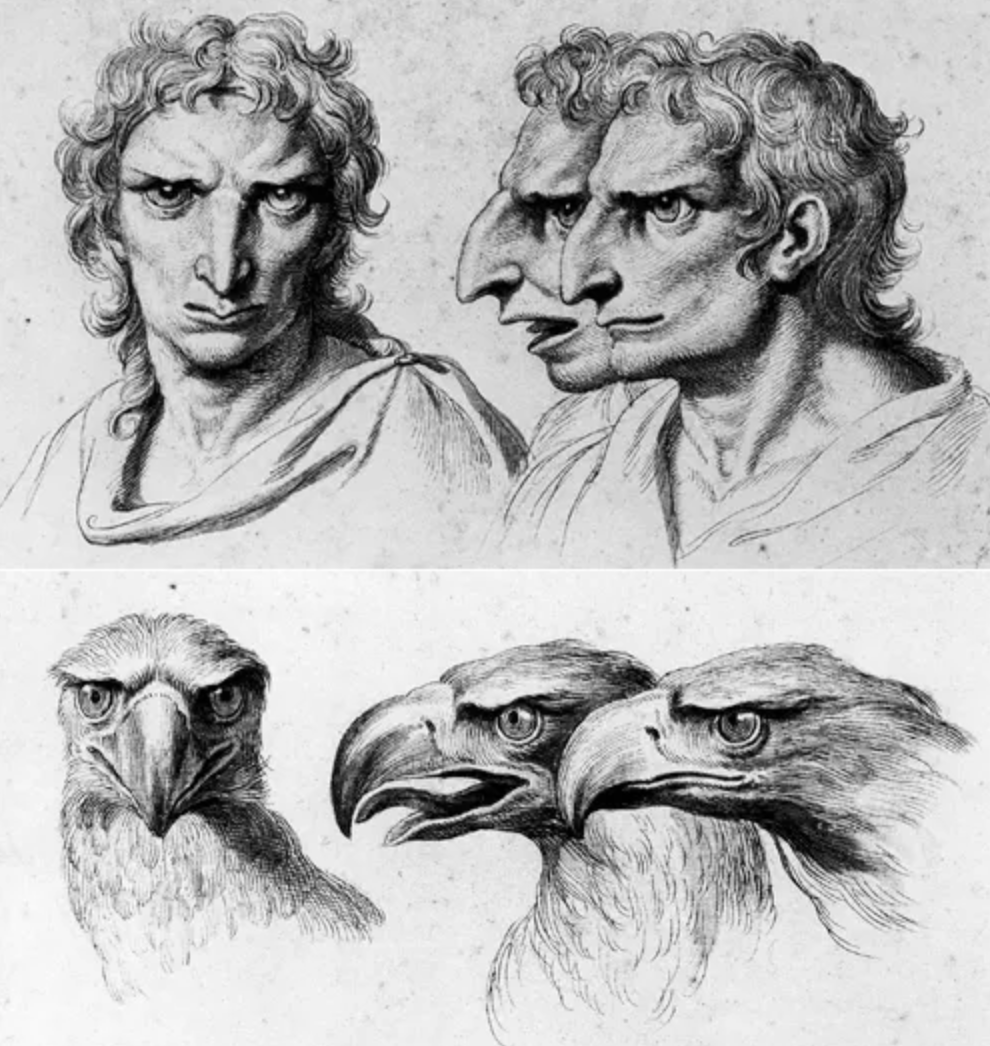
In the 1600s, French painter Charles Le Brun created a dictionary of isolated facial attributes and their physiognomical connotations. His corpus, as well as his writings and lectures on the subject as it pertains to art, was heavily influential on conventions of portraiture and aesthetics. His approach continued to be taught into the 1900s. Writers such as Shakespeare and Chaucer used physiognomy to provide descriptions of their characters. It can be argued that the moral judgements linked to external appearance, codified in a plethora of physiognomical treatises and suffused through popular culture, helped to lay the groundwork for our emphasis on appearances as holding more importance than merely biological attraction today.
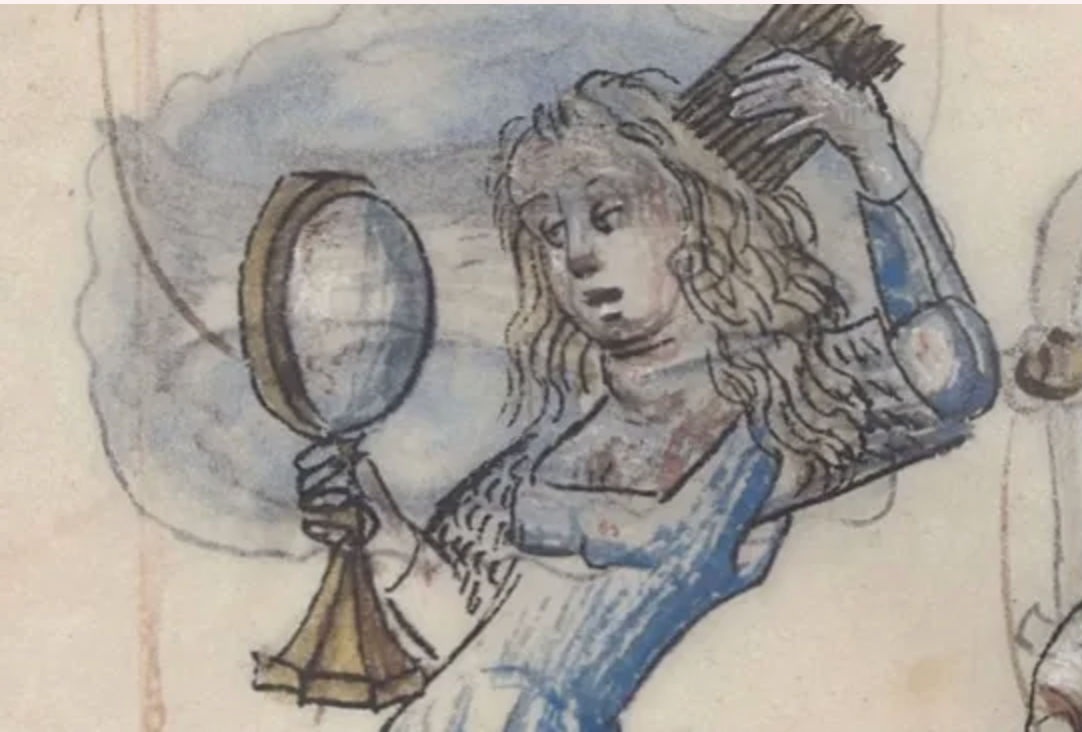
In this sense, physiognomy is much less a relic of medieval misinformation than a reminder of the consistent human impulse to understand: the unknown is, in the most primal sense, a danger. Even if we aren’t being chased by bears, our desire to understand the context of our surroundings is one of the great motivators of our behavior in most situations: the whole purpose of a courtroom, for example, is to definitively decide on a “true” answer to an unanswered question. The nature of a person’s character is one of the largest unknowns we all encounter on a daily basis, and there isn’t really a way to ever be fully certain in your knowledge of it. The impulse to obtain this obscured information, rooted in our need to eliminate threats, might cause us to look more closely at what we can see plainly, hoping to divulge clues.
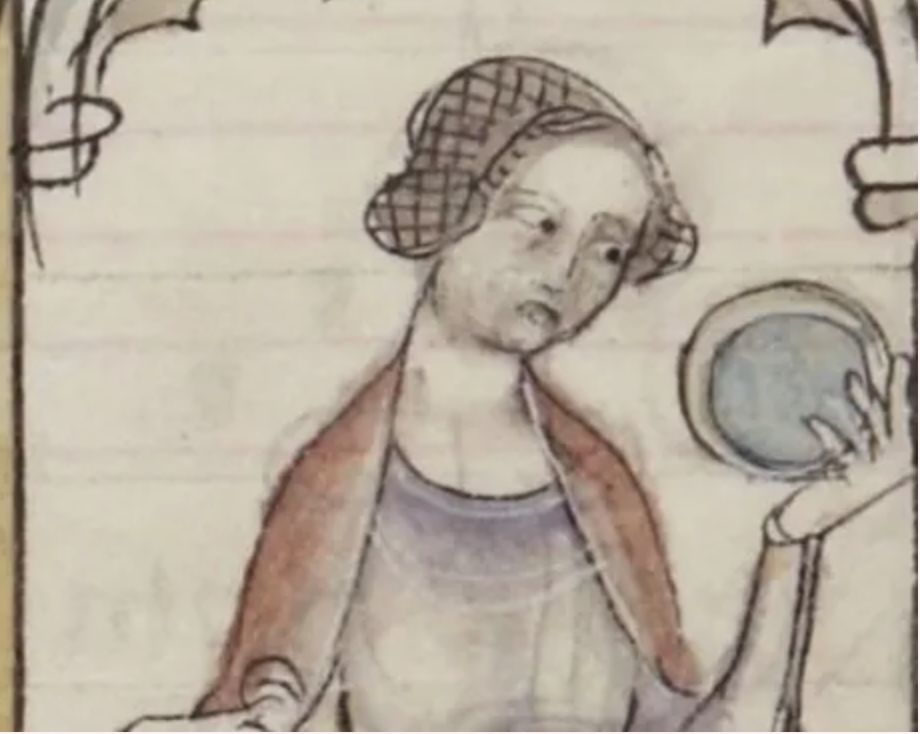
While we no longer refer to compendiums of pseudo-scientific animal comparisons to do so, and we might not be so explicit (or even conscious) that we do, we continue to be a society that highly prioritizes the physical appearance as a conveyor of class, kindness, and vulnerability. We judge strangers in a thousand tiny ways almost instantaneously, constructing entire identities for them in a split second. Perhaps, then, the unusual history of physiognomy is more of a record of our persistent desire to know easily what ultimately cannot be known, to find the method that makes hidden and complex answers that lie within somehow visible on the surface.