Prophetic playthings
What can toys tell us about them...and ourselves?

Thinking of childhood in medieval times is bound to come with a certain sadness and gravitas that the subject doesn’t elicit in the modern day. Only about thirty percent of children would survive the first year of life, and of the lucky ones, only another thirty percent would make it past adolescence. The specter of childhood mortality was undiscerning, stalking even those in the highest places. From the years 1150-1500 AD, English royalty is estimated to have given birth to 96 babies, and only forty of these made it past twenty years of age. While we may assume that medieval parents would have to cultivate a lack of attachment due to the high emotional risk of procreation and child-rearing at the time, archeological evidence suggests that a great deal of care was directed towards children, their education, and their entertainment.

Furthermore, we can see the explicit dedication of financial resources to children’s possessions, revealing that despite the risk, this was not viewed as wasteful, especially by higher class families. An impressive amount of detail and craftsmanship can be found in these playthings. In fact, it is possible that more resources were poured into the toys of children who were deemed unwell, in order to cultivate their abilities and teach them about society in lieu of their participation in actual training or activities. Charles VII, who was reported to have been a sickly child, was allegedly given many toys, including a child-sized cauldron, to help him pass the time. This reveals the significance of toys as not just entertainment, but as tools to educate children in adult responsibilities and teach them about the world they would grow up to inhabit.
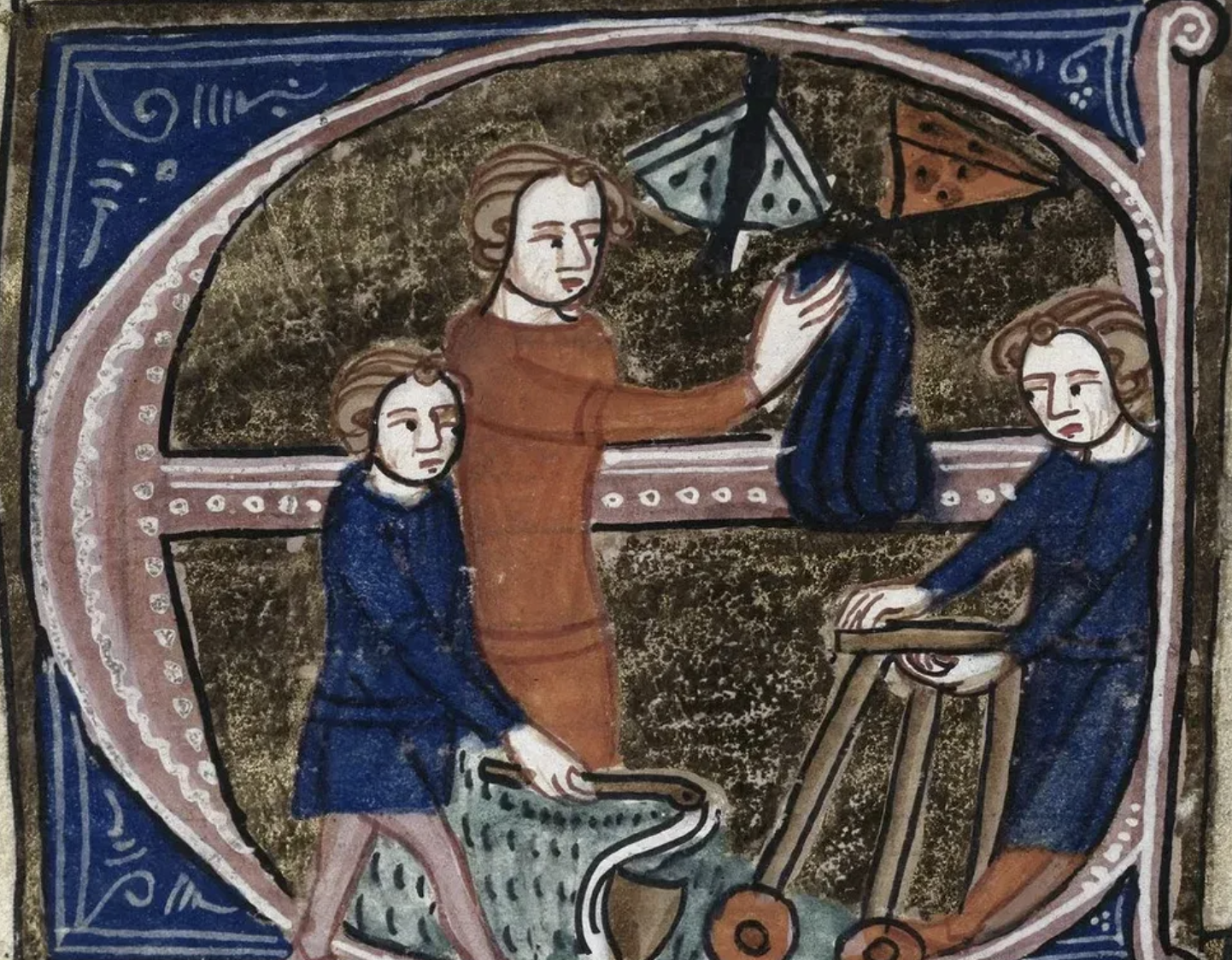
The modern belief that childhood is a recent invention is largely a misconception. In fact, medieval scholars recognised distinct phases of life: infancy, childhood (which lasted until the early teens and was seen primarily as a time of play and development), and adolescence, which was a stage of intensive preparation for adulthood and lasted often until marriage. In a time with much less social mobility, it was expected that a child would grow up to continue in the profession of their parents, so after the age of around seven to ten, children would begin being acquainted to the adult world of their family. The sons of craftsmen, for example, could begin assisting in the workshop, and the progeny of a merchant could be practically educated in bookkeeping and finances. Girls would be taught to complete household chores in whatever capacity aligned with their social rank, from instructing the preparation of meals to actually cooking them herself. However, the training of children for their adult responsibilities actually began much earlier, with the selection of toys and games they were given in early childhood. Coroner’s inquests, which are, disturbingly, one of the most common types of accounts we see of medieval childhood, describe children as young as two or three mimicking adults through pretend play.
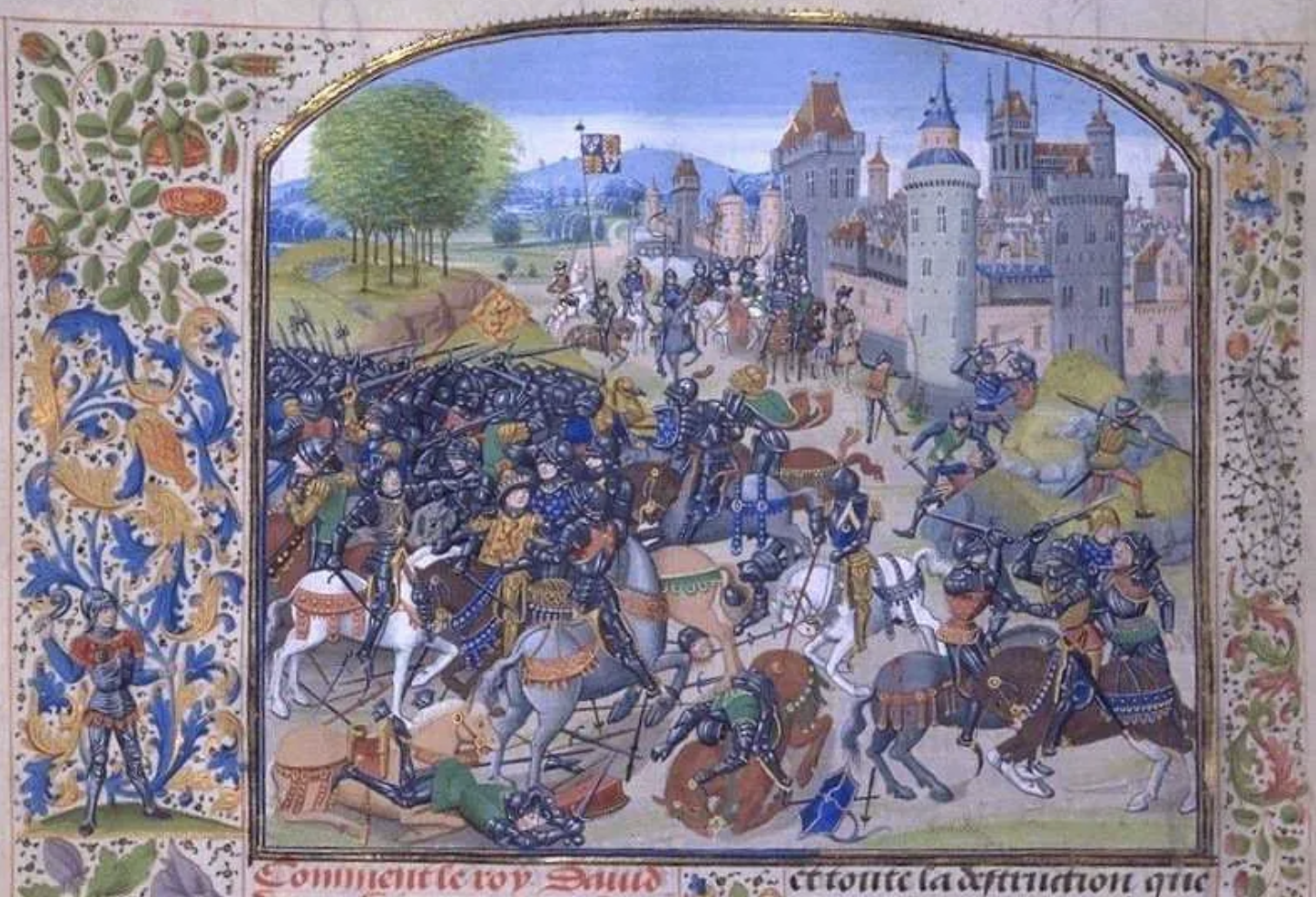
Most of the toys we have are from royal or noble households, as they would have been better quality and therefore have held up better to the test of time. Thus, it makes sense that many of the toys we have are ones that relate directly to the future duties of the noble classes. Toys made for young boys included miniature castles and child-sized boats. They would have played with miniature soldiers or knights, made from lead or alloy, and used them to act out battle scenes. Hobby horses and wooden swords were also common playthings for upper-class male children. These boys would be expected to uphold chivalrous ideals, as well as often take command of cavalry or military strategy as adults, and so this play was seen as a suitable introduction to the role they themselves would fill later on.
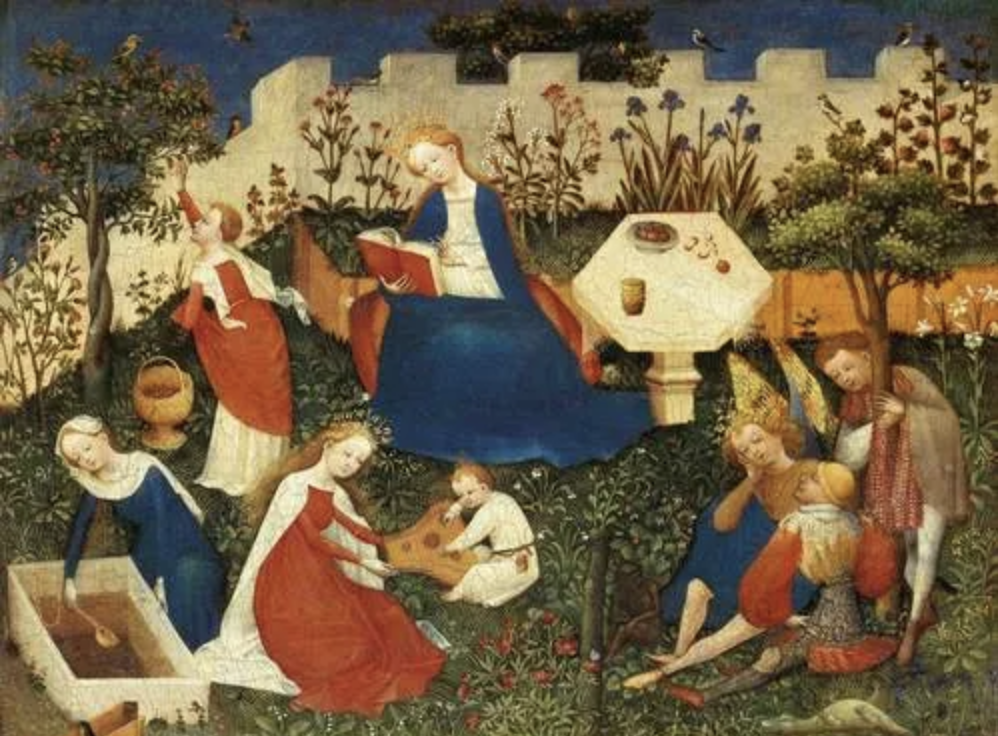
Conversely, girls were often given dolls to nurture like babies. While the average child might have had a homemade doll, sewn from old clothing or made from clay, some dolls belonging to nobility were elaborate and detailed. Evidence that these dolls’ clothing was slightly out of date suggests that they were often repurposed fashion dolls, given to young girls as playthings after the garments they displayed were no longer in style. Young girls also would have played with toy pots and pans, to practice cooking, along with miniature versions of tableware like clay dishes and jugs.
If toys are clearly intended to be not just entertaining but a practical rehearsal of adulthood, it follows that they can provide insight into what a society values in its adults. If we turn that anthropological lens towards our own society, how do we come across? Some popular toys have clear connections to real world skills: LEGO bricks, for example, require design, engineering, and tactile problem solving, which many parents would agree are skills that are beneficial to cultivate for a range of careers. My own personal favorites (to absolutely no one’s surprise), American Girl Dolls, undoubtedly contributed to my own penchant for historical inquiry.
Recently, childhood has become increasingly digital: 60% of children have an iPad by the age of four, with most of them averaging hours of screen time a day. Some advocates, including school systems that incorporate tablets or computers into their curriculum design, point to digital fluency as the positive product of a screen based childhood. However, studies also highlight an array of downsides, such as delayed language acquisition, poorer physical health outcomes, and reduced social interaction. If we examine this shift with the same perspective that we apply to historical playthings, it might go as far as to provide a warning about what our society is beginning to prioritize – and what it might no longer value in the coming generations.